
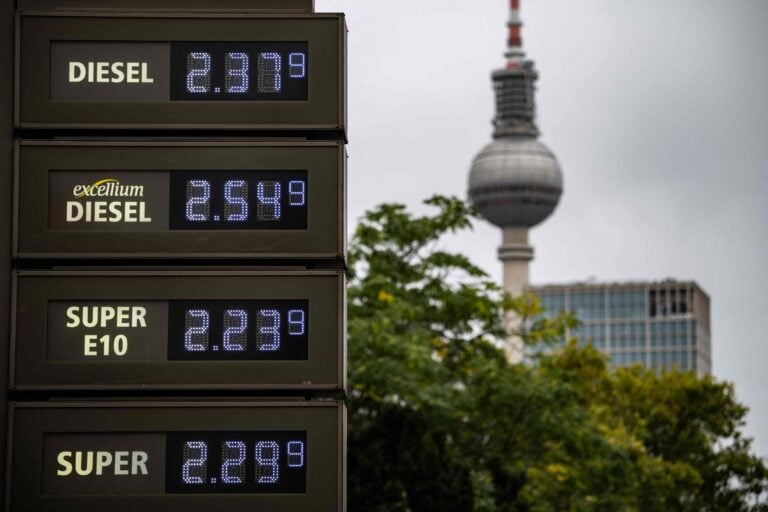
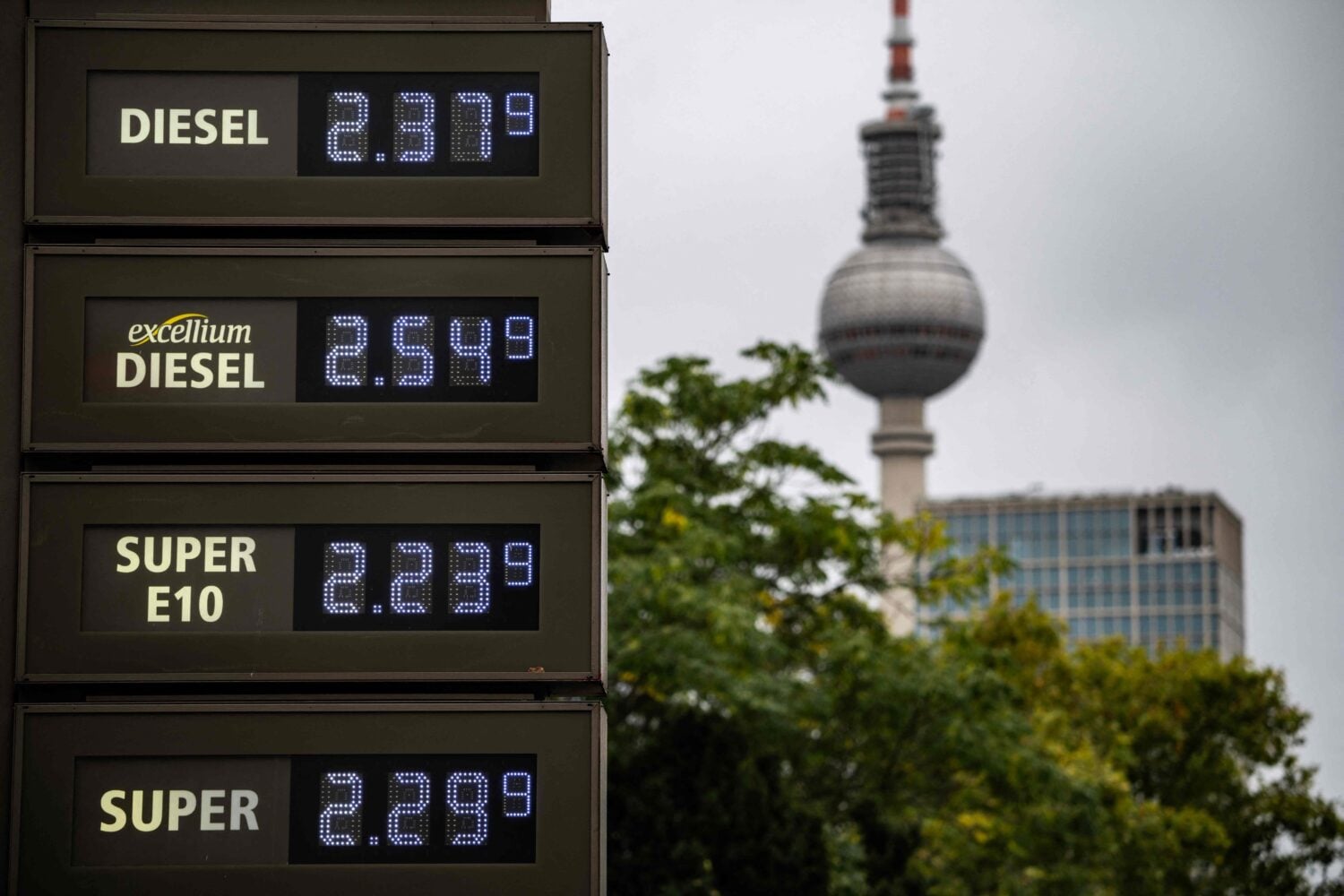
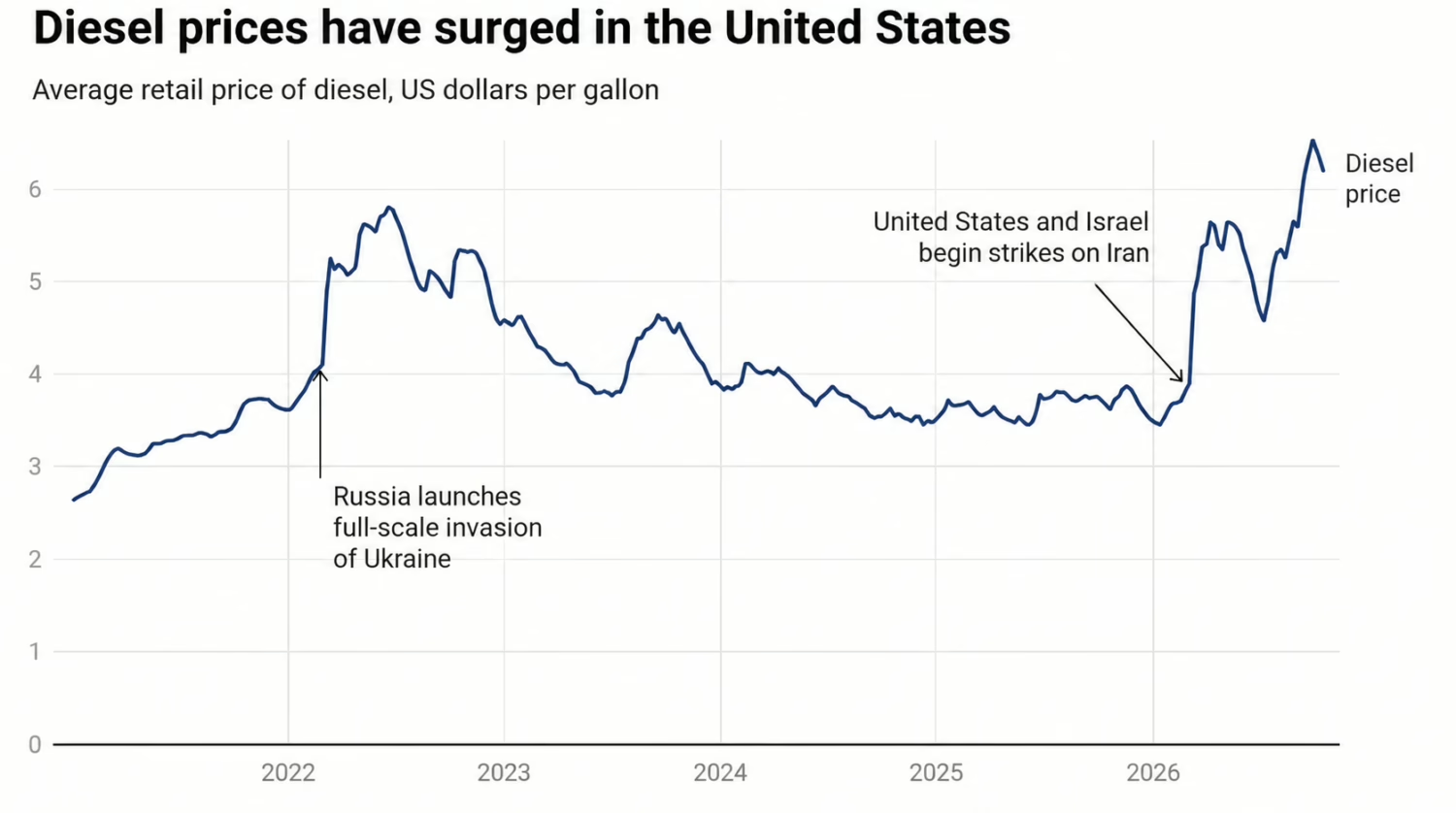
Diesel prices have risen sharply as supplies from both Russia and the Middle East have been disrupted at the same time.
Russia’s promise to release additional diesel onto the market illustrates just how tight conditions have become. A shipment of 500,000 tonnes would amount to less than four per cent of global diesel demand.
According to the Financial Times, buyers around the world are now scrambling to secure alternative supplies. Russia has promised to provide 300,000 tonnes of diesel immediately, followed by 500,000 tonnes in November and one million tonnes in December.
The volumes are significant for Russia, but relatively small in global terms.
The situation has been made worse by Ukrainian attacks on Russian oil refineries. Some estimates suggest that as much as 45 per cent of Russia’s refining capacity has at times been out of operation.
The disruption has contributed to the country’s worst petrol shortages since the collapse of the Soviet Union.
Russia has not experienced a comparable shortage of diesel. Most Russian passenger cars run on petrol, while diesel is used mainly by trucks, heavy machinery and other commercial vehicles.
According to Sergey Vakulenko, a researcher at the Carnegie Russia Eurasia Center, Russian refineries produce around 5.8 million tonnes of diesel per month. Of that, an estimated 1.2–2 million tonnes could potentially be available for export.
Before 2025, Russia exported an average of around 2.6 million tonnes of diesel by sea each month.
Its ability to maintain such volumes is now constrained by refinery outages and export restrictions designed to protect domestic fuel supplies.
Analysts say Russia could increase exports substantially only if refinery production returns closer to normal. If Ukrainian strikes continue at their current pace, maintaining large export volumes could put domestic fuel availability at risk.
Middle East disruption adds to the pressure
The Russian supply problems come as fuel markets are also being hit by disruption in the Middle East.
That combination has tightened diesel supplies worldwide and pushed buyers to seek replacement cargoes from other producers.
The International Energy Agency’s executive director, Fatih Birol, has urged member countries to accelerate the release of diesel from emergency reserves.
Russia’s additional shipments could ease the pressure to some extent, but they are unlikely to eliminate the global supply shortfall.