
The Finns Party has acknowledged that its proposed new bank tax could ultimately be partly passed on to customers through higher borrowing costs.
The party included the tax in its fiscal adjustment programme. It would amount to three per cent of banks’ net interest income and is estimated to generate €150 million in annual revenue for the state.
Net interest income is the difference between the interest a bank earns and the interest it pays. It is not the same as profit, as operating expenses, credit losses and other costs have not yet been deducted.
Verkkouutiset asked Jussi Lindgren, special adviser on economic policy to Finance Minister Riikka Purra of the Finns Party, whether customers could ultimately end up paying part of the proposed tax.
Lindgren said that was possible, including through the pricing of loans.
“Of course, part of a tax ends up being paid by the customer. That is practically impossible to avoid with any tax,” he said.
He nevertheless said he did not expect the levy to have any meaningful effect on banks’ operations or lending. According to Lindgren, the projected annual revenue of €150 million is small relative to the size of Finland’s banking sector.
“I do not believe it would have any practical impact on anything,” he said.
Olli-Pekka Ruuskanen, research director at Pellervo Economic Research PTT, told Verkkouutiset last week that customers could ultimately bear part of the cost.
“Any additional costs imposed on net interest income will in some way reduce lending and will probably also increase its cost,” Ruuskanen said.
He noted that the final impact would depend on how banks responded to the tax and how the costs were distributed.
National Coalition Party MP Henrik Vuornos has also criticised the proposal, arguing that ordinary bank customers would ultimately foot the bill.
“Those paying the bank tax would above all be borrowers — ordinary credit card and mortgage customers in Finland,” Vuornos said.
Finns Party points to banks’ growing interest income
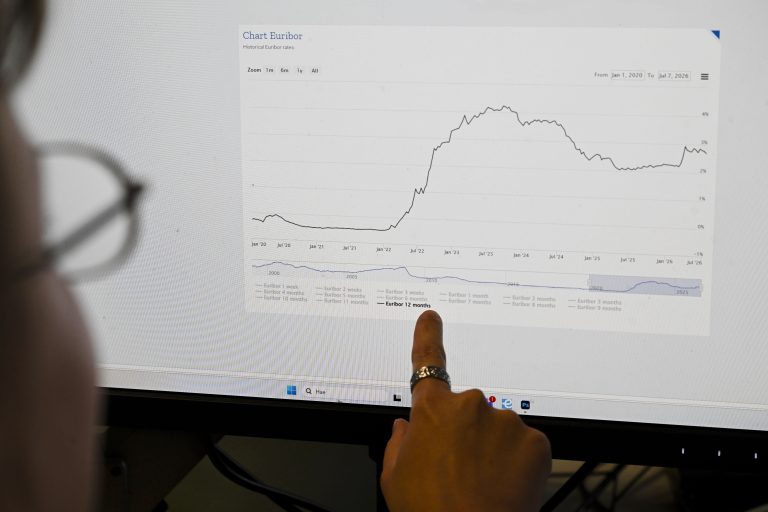
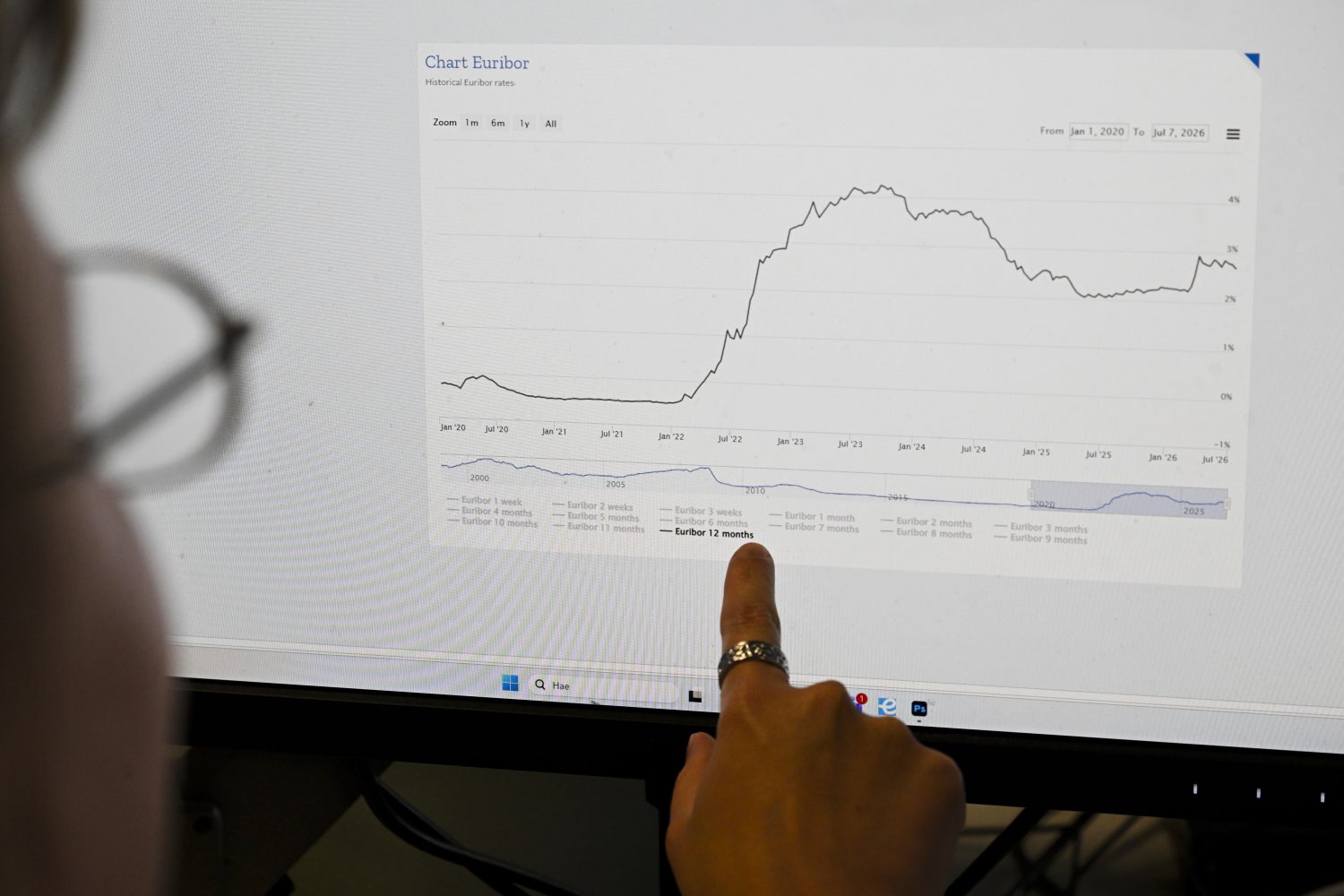
One of the Finns Party’s arguments for the tax is that when general interest rates rise, rates charged on loans often increase faster than those paid on deposits.
This widens banks’ net interest income, and the party regards the additional revenue generated in this way as a windfall gain.
Ruuskanen, however, considers greater competition in the banking sector a better way of narrowing the gap between lending and deposit rates. In his view, the different pace at which those rates rise is partly linked to insufficient competition between banks.
“A better solution than a bank tax would be to promote competition in the banking sector,” he said.
Lindgren also acknowledged shortcomings in competition between banks, but said increasing competition was not a realistic solution because the sector is so heavily regulated.
“I do not believe we will ever have proper competition in the banking sector, because the current level of regulation cannot be abandoned,” he said.
Lindgren also argued that banks receive significant support from society.
“Would banks survive in a modern society without state support coming through the central bank? They would not last a day. They would collapse in a day,” he said.
Under the Finns Party proposal, the tax would be levied specifically on net interest income rather than profits. A bank may report strong net interest income while much of that revenue is subsequently absorbed by credit losses and other expenses.
Lindgren said net interest income was nevertheless a suitable basis for taxation because it is relatively straightforward.
“It is not very easy to manipulate through accounting, because it simply measures the difference between the interest flows on deposits and lending,” he said.