
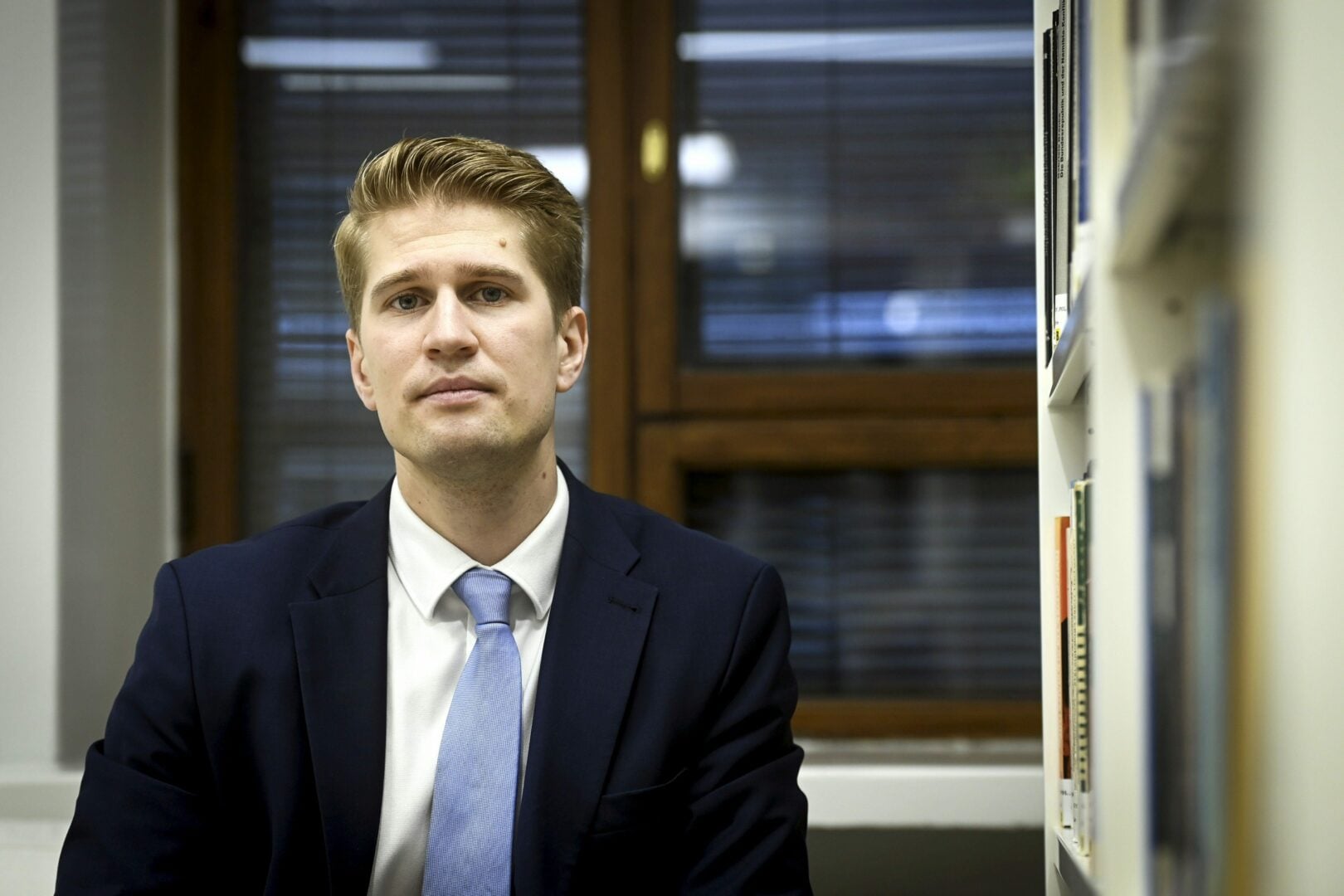
ics of the joint phone call by Finnish President Alexander Stubb and Norwegian Prime Minister Jonas Gahr Støre to Russia’s Vladimir Putin are drawing sweeping conclusions without knowing the full diplomatic background, Finnish foreign and security policy expert Henri Vanhanen argues.
Stubb and Støre spoke with Putin on Tuesday, October 27. Writing on X, Vanhanen criticised the quality of much of the subsequent analysis, saying it overlooked both the context of the call and the strategic realities of the war in Ukraine.
Finland and Norway were participating in a diplomatic process initiated at Ukraine’s request, he stressed. The call was also prepared in consultation with the United States, and Stubb said allies had been informed.
For Vanhanen, these details are essential to assessing the initiative.
“You may not know everything that has happened behind the scenes,” he says.
He acknowledged that he did not know every detail either. The public sees only part of the negotiating process and the options leaders have had to weigh, he noted.
Ukraine’s wishes should guide its partners
After more than four and a half years of war, Russia has failed to achieve its original objectives. Yet Ukraine is fighting an exhausting defensive war, Vanhanen said. Russia’s slow and costly advances do not necessarily mean that time is on Ukraine’s side.
Meanwhile, relations between Washington and Kyiv have at times been in crisis, he argued.
The central questions, in his view, are how to sustain Ukraine’s ability to defend itself, keep the United States engaged and prevent Russia from dictating the terms of peace. European leaders must also consider what to do if the current strategy fails to deliver.
If Ukraine asks its partners for help both on the battlefield and in advancing peace negotiations, Vanhanen questioned why the latter should be regarded with suspicion.
“The goal is to safeguard Ukraine’s independence and security, not to defend a particular diplomatic doctrine to the bitter end.”
Finland has its own security interests at stake
Vanhanen also warned that Russia’s efforts to reshape Europe’s security order predated its full-scale invasion in 2022 and would not necessarily end with a peace agreement.
Finland must ensure that any arrangements to end the war do not weaken its security or NATO’s freedom to act, he said.
He did not claim that the call had already produced significant results. However, he argued that inaction also carries a cost.
Europe’s task cannot be limited to restating familiar principles and criticising every attempt to influence events. The harder question, Vanhanen said, is how to secure Ukraine’s future and Europe’s security as the war moves towards an eventual end.