
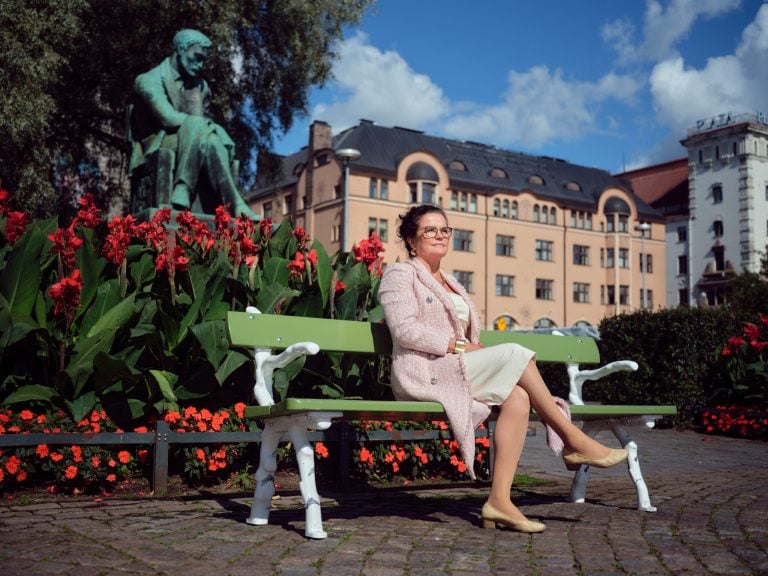
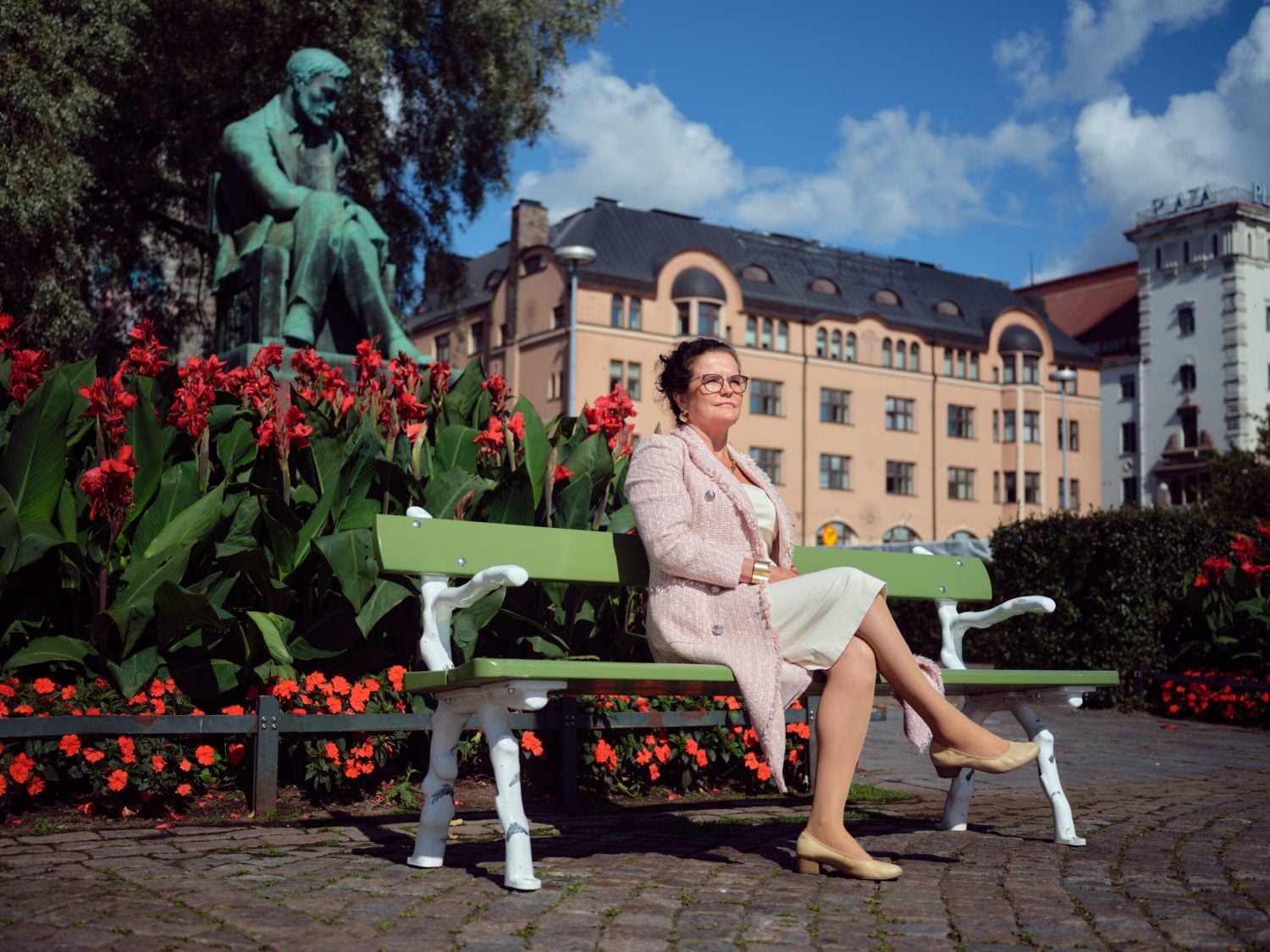
Finland needs to make smarter use of taxpayer money as expectations for higher education rise while resources remain limited, says Minna Martikainen, rector of the University of Vaasa.
The debate over Finland’s higher education system has intensified as universities and universities of applied sciences form increasingly close partnerships and joint higher education groups.
Three professional organisations — the Union of Professional Engineers in Finland, the Trade Union of Education in Finland OAJ and the Finnish Business School Graduates — have called for a halt to merger arrangements in which universities gain a dominant position over universities of applied sciences.
Critics have warned that such structures could weaken the distinct role and pedagogical identity of universities of applied sciences.
Martikainen says the debate has become too focused on power and governance.
“Although we do not usually put it this way, we are de facto an industry whose output is education and science,” she says.
“We believe that together we can create added value through research and educate the kinds of professionals society needs.”
“There is no more money”
The University of Vaasa itself became the 70 per cent owner of Vaasa University of Applied Sciences in 2025, with the City of Vaasa retaining the remaining 30 per cent.
The two institutions had already cooperated for years, including through shared teaching and research laboratories and library services.
Martikainen argues that closer cooperation is increasingly important because public resources are unlikely to grow at the same pace as Finland’s ambitions for higher education.
“There certainly isn’t more money in this country for universities and higher education institutions, and no more is going to appear from anywhere,” she says.
Martikainen is clearly frustrated by the direction the current debate on higher education has taken. She points out that no higher education group has been created without the owners’ consent.
Rather than getting bogged down in questions of power and governance, Martikainen says the focus should be on looking ahead and on what universities and universities of applied sciences can achieve together. In her view, the debate has now drifted off course.
“At a time when we should be achieving major change in society, all this discussion about ‘who eats whom’ or who loses out in these arrangements is frustrating. We need to move past it.”
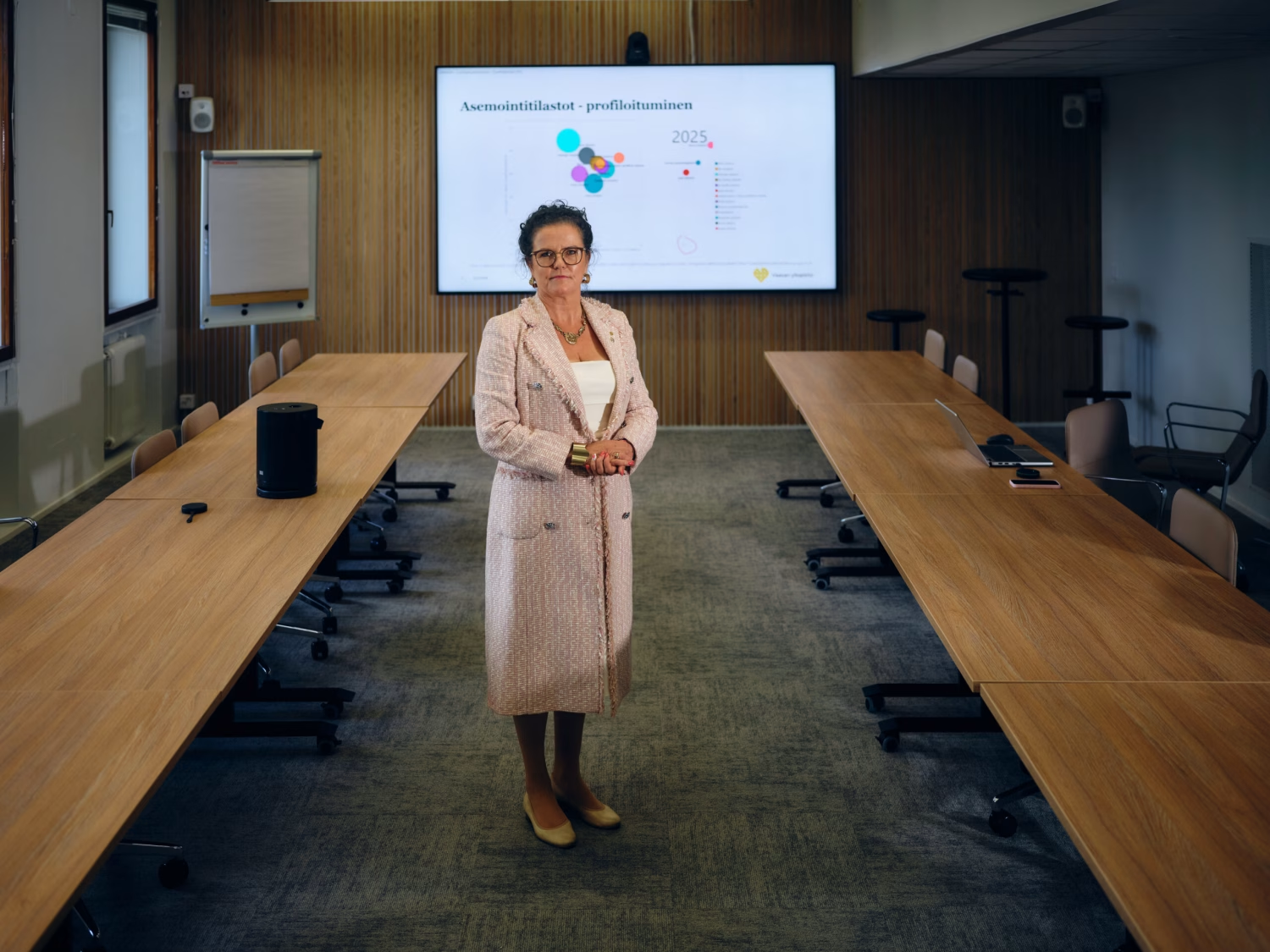
Finland wants to raise the share of young adults with a higher education degree to 60 per cent by 2040.
According to the OECD’s Education at a Glance report published in 2025, 39 per cent of Finns aged 25–34 had completed at least a bachelor-level higher education degree. The OECD average was 48 per cent.
Rector Minna Martikainen says both universities and universities of applied sciences will be needed to reach the national target. Universities of applied sciences, she notes, have a particularly important role in attracting students not only from upper secondary schools but also from vocational education.
The University of Vaasa has itself grown rapidly. The number of students has risen from around 5,800 when Martikainen became rector in 2023 to approximately 7,200.
The university is also Finland’s largest provider of business education. A record 592 students graduated with master’s degrees in business last year.
Universities need closer ties with companies
Another major challenge is Finland’s goal of raising research, development and innovation expenditure to four per cent of GDP by 2030.
Martikainen says universities have the leading role in research, but the target cannot be reached unless higher education institutions build much closer links with the private sector.
“If companies and universities do not move closer together, both will continue working in their own silos without supporting each other. That would be a waste of resources,” she says.
“This cooperation is absolutely essential for our society.”
In Vaasa, the university and major energy technology companies have launched the Energy Transition Valley initiative. Participants include ABB, Wärtsilä, Hitachi Energy, Danfoss and Vaasan Sähkö.
The aim is to make joint use of research infrastructure and train more experts, including doctoral-level specialists, for the energy industry and export companies.

Martikainen says this model cannot necessarily be applied to every academic field, but institutions that have opportunities for intensive cooperation with businesses should make full use of them.
That, she argues, could free up resources elsewhere while preserving broad access to education across Finland.
Martikainen also stresses that different academic disciplines increasingly need each other.
Geopolitical challenges, for example, cannot be understood without language skills or knowledge of history, she says.
The academic community should also be more willing to discuss developments in countries such as Russia and China.
“If we draw a curtain over all of this, I suspect we will fail to see something essential,” Martikainen says.
This article was originally published in Nykypäivä magazine, issue 3/26 (9 October 2026).