
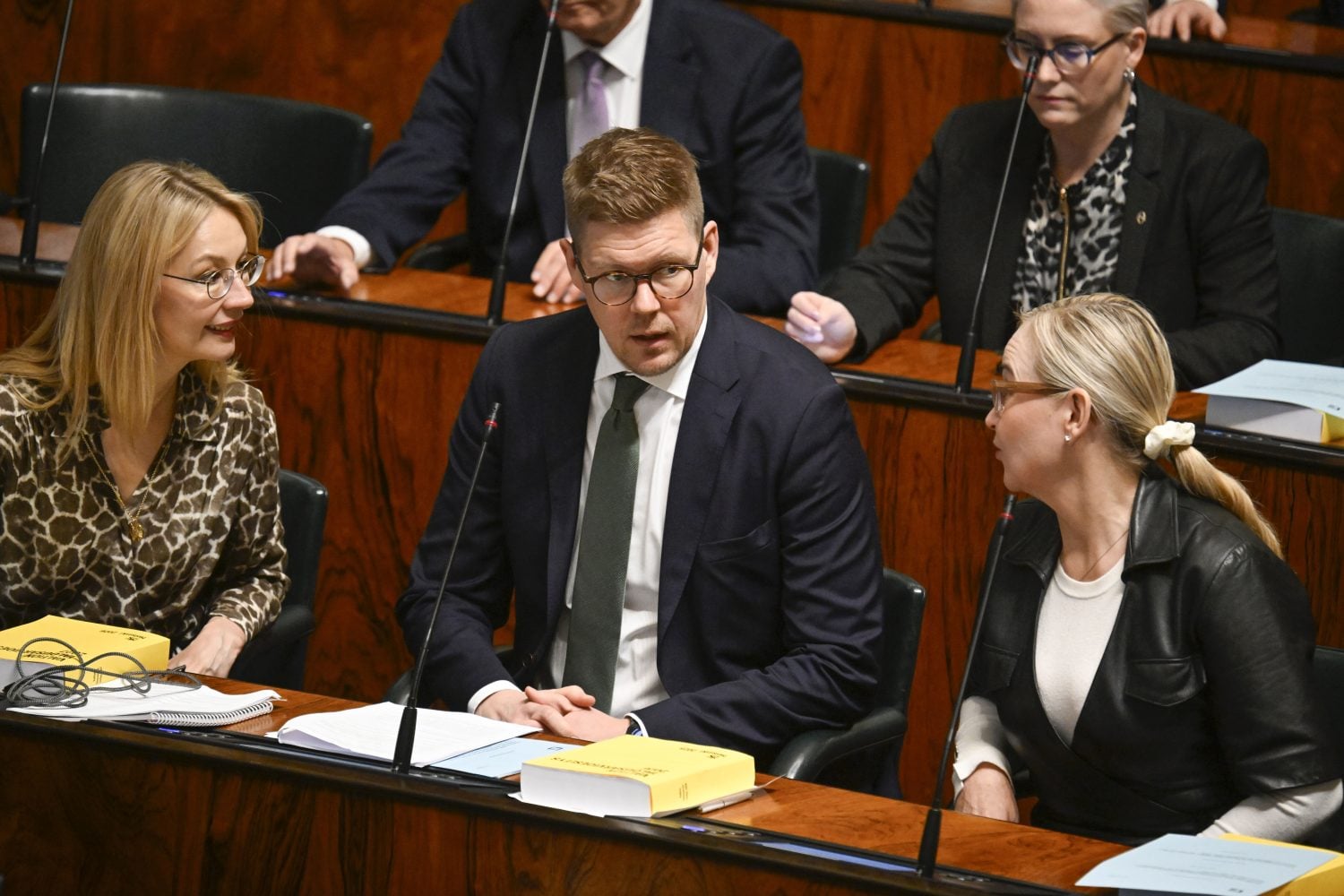
Finland’s Social Democratic Party could support higher taxation of larger pensions as part of efforts to strengthen the country’s public finances, parliamentary group leader Tytti Tuppurainen has said.
Speaking on public broadcaster Yle’s A-studio, Tuppurainen said the SDP would not cut the nominal value of pensions already in payment.
However, the party is not ruling out using Finland’s progressive tax system to increase taxation on pensioners with higher incomes.
“We are not taking money from pensions already being paid, but we do not rule out the possibility that taxation — specifically progressive taxation — could be used to tighten the taxation of higher-income pensioners and thereby strengthen the revenue side,” Tuppurainen said.
The comments come as pensions become an increasingly prominent issue in Finland’s debate over how to repair the public finances after the April 2027 parliamentary election.
Most parliamentary parties agreed earlier this year that the next government will need to strengthen public finances by approximately €8–11 billion over the coming electoral term. The eventual figure will depend partly on structural reforms and Finland’s obligations under EU fiscal rules.
Parties put pensions on the table
The National Coalition Party and the Finns Party have already published their own adjustment proposals.
The National Coalition Party has outlined roughly €9 billion in measures and has identified around €2 billion in savings from the pension system, although it has not yet specified all the measures it would use.
The Finns Party has proposed an index brake for pensions exceeding €2,000 a month between 2028 and 2031. Under the proposal, those pensions would receive smaller annual increases, while pensions below the threshold would remain outside the measure.
SDP chair Antti Lindtman has criticised both governing parties over their pension proposals and said his party would not cut pensions already being paid.
Tuppurainen’s comments nevertheless show that the Social Democrats are prepared to consider pensioners as part of the wider fiscal adjustment through taxation rather than direct reductions in pension entitlements.
The issue has become difficult for parties to avoid because pensions account for a substantial share of Finland’s public expenditure. Finance Ministry budget chief Mika Niemelä has argued that an adjustment requirement of the current scale would be difficult to achieve if pensions were excluded entirely.
SDP plan expected around New Year
The Social Democrats have not yet published their full adjustment programme for the next parliamentary term.
Tuppurainen said the party will first present its alternative budget for 2027, which will provide indications of its broader economic policy.
The full package covering the next electoral term is now expected around the turn of the year.
That is slightly later than previously indicated. SDP MP Joona Räsänen had told Verkkouutiset earlier in October that the programme would “certainly” be published before the end of the year.
Finland’s parliamentary election will be held on April 18, 2027, meaning competing plans on taxation, spending cuts and pensions are increasingly becoming part of the election debate.
The central dividing line is already becoming clear: parties broadly accept that further fiscal adjustment will be needed, but disagree sharply over how much should come from spending cuts, taxation and changes affecting pensioners.