
Russia’s defence industry is struggling to replace several types of weapons and military aircraft that its armed forces continue to use in the war against Ukraine.
Ukrainian news outlet The New Voice of Ukraine (NV) consulted military analysts and defence industry experts to identify weapons systems that Russia can no longer manufacture or whose production has become exceptionally difficult.
The investigation identified seven systems, including six types of military aircraft and one missile.
According to the experts, Russia can still repair and modernise existing equipment, as well as use spare parts recovered from aircraft held in storage. However, the remaining service life of these weapons continues to decline.
The problem is particularly significant for Russia’s strategic bomber fleet, which plays a central role in missile attacks against Ukrainian cities and energy infrastructure.
Russia’s strategic bombers are wearing out
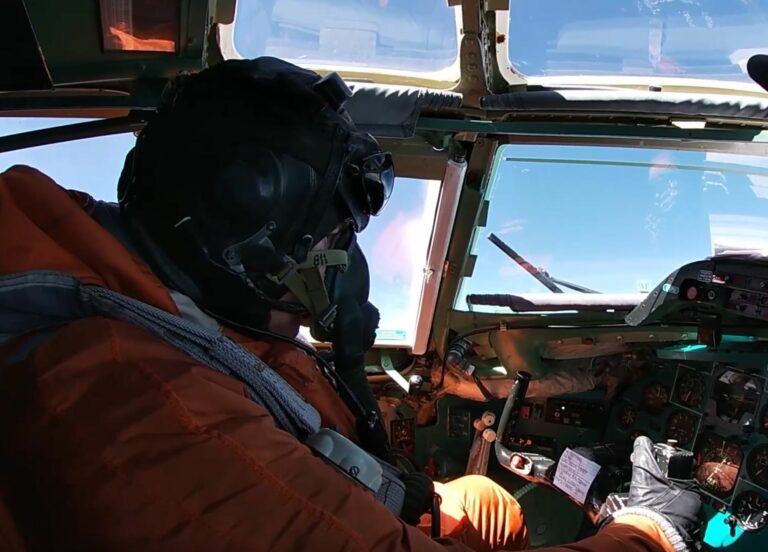
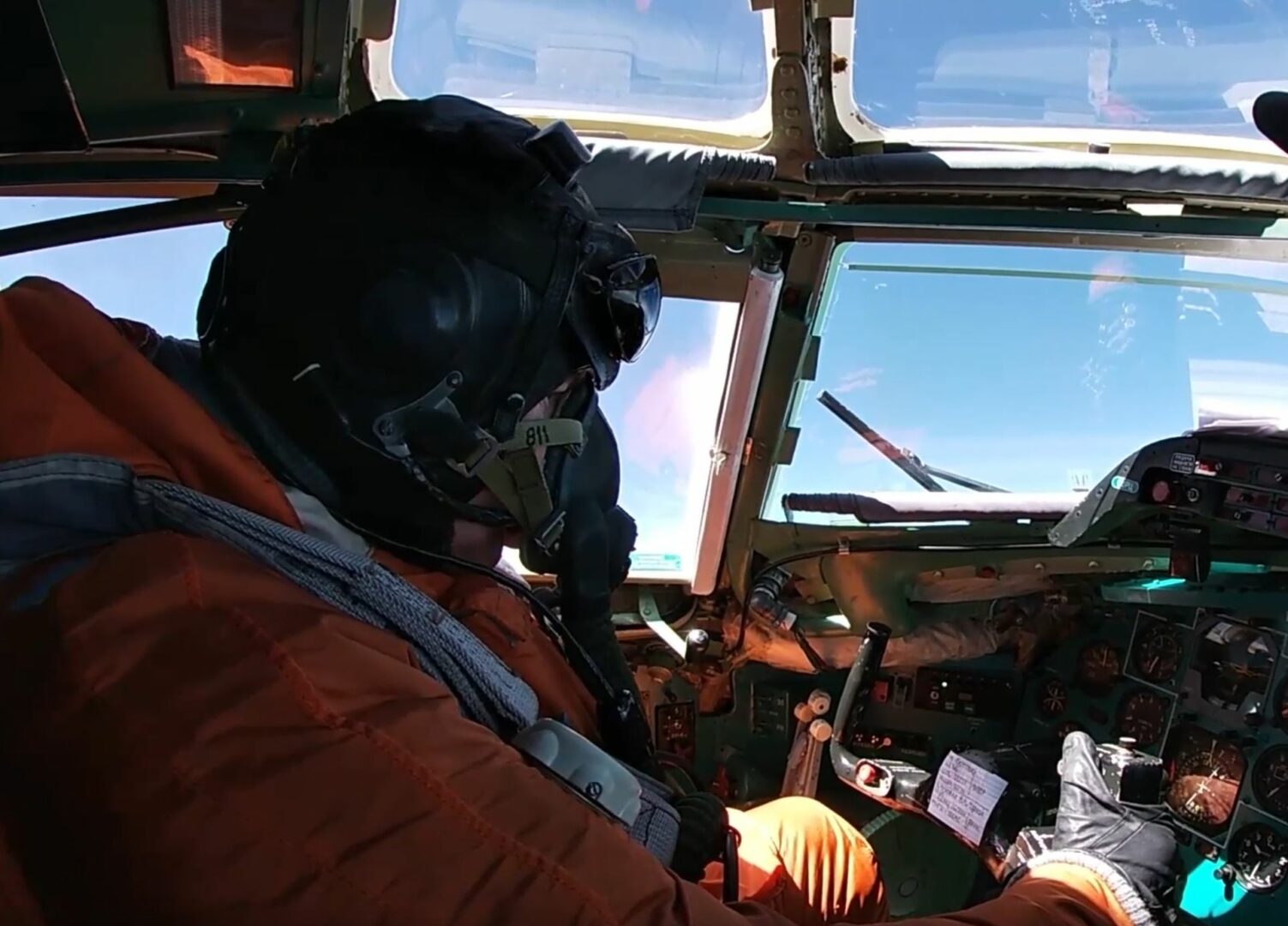
One of the most important aircraft on the list is the Tu-95MS strategic bomber, which Russia regularly uses to launch Kh-101 cruise missiles against Ukraine. Production of the aircraft ended in the early 1990s.
According to Anatolii Khrapchynskyi, a Ukrainian Air Force reserve officer and defence industry executive, one of the main problems is the aircraft’s NK-12MP turboprop engines, which have not been manufactured for years.
Although Russia claims to operate more than 50 Tu-95MS bombers, Khrapchynskyi estimates that only approximately 25 to 30 remain genuinely combat-capable.
Ukrainian strikes against the Beriev aviation facility in Taganrog have further complicated maintenance and repairs. The plant has been a key maintenance centre for Russia’s strategic bombers.
The Tu-160 strategic bomber faces similar challenges. Russia has announced efforts to resume production of the aircraft under the Tu-160M designation. However, experts have questioned its ability to establish sustainable large-scale manufacturing.
According to Khrapchynskyi, Russian production efforts have relied heavily on completing Soviet-era airframes. Manufacturing entirely new aircraft is complicated by the bomber’s sophisticated titanium structures, specialised welding processes and difficulties producing its NK-32 engines.
Russia has nevertheless demonstrated limited production of new Tu-160 aircraft, although the programme has struggled to achieve its planned output.
Another aircraft facing an uncertain future is the Tu-22M3 long-range bomber, which Russia uses to launch heavy Kh-22 and Kh-32 missiles.
The aircraft has not been manufactured for more than three decades. Its NK-25 engines are increasingly difficult to maintain and replace.
According to the analysts interviewed by NV, Russia’s remaining fleet has declined to approximately 20 to 25 aircraft following Ukrainian attacks, accidents and other losses.
Russia’s flying radars are becoming increasingly scarce
The fourth system is the A-50 airborne early warning and control aircraft, which Khrapchynskyi considers even more strategically important than Russia’s ageing bomber fleet.
The aircraft serve as flying radar stations, allowing Russian forces to detect aircraft at long distances, monitor airspace beyond the reach of ground-based radars and support air defence operations. Russia has lost several A-50 aircraft during the war, including two shot down in early 2024.
Its planned replacement, the A-100 Premier, has failed to enter operational service, with Western sanctions and shortages of advanced electronics among the obstacles identified by analysts. Experts estimate that Russia has only five or six operational A-50 aircraft remaining.
Khrapchynskyi warned that losing the remaining aircraft could significantly weaken Russia’s ability to monitor Ukrainian airspace and coordinate long-range air defence operations.
The fifth system is the MiG-31K, a modified version of the Soviet-era MiG-31 interceptor used to launch Kh-47M2 Kinzhal aeroballistic missiles. Production of the original MiG-31 ended more than three decades ago. Russia currently relies on converting and refurbishing existing aircraft.
Its D-30F6 engines are another major vulnerability. According to Khrapchynskyi, carrying the heavy Kinzhal missile to the necessary launch altitude and speed places considerable strain on engines with limited remaining service life.
Analysts estimate that Russia has approximately 10 to 14 combat-capable MiG-31K aircraft.
The sixth aircraft is the Su-25 ground-attack jet, a heavily armoured Soviet-era aircraft designed to provide close air support to ground forces. Production ended more than two decades ago.
Although Russia still operates approximately 135 Su-25 aircraft of various modifications, their effectiveness has declined as Ukrainian air defences have improved.
Military analyst Serhii Berezutskyi told NV that the aircraft are increasingly limited to launching unguided rockets from a distance rather than directly attacking targets near the front line.
He believes the Su-25 is gradually disappearing from the battlefield not only because Russia cannot easily replace its losses, but because modern air defence systems have made its traditional role increasingly dangerous.
Ageing missile stockpiles present another problem
The seventh weapon is the Kh-22 supersonic anti-ship missile, which Russia has also used extensively against targets on land. Developed during the Soviet era, the missile carries a warhead weighing approximately 960 kilograms.
Despite its destructive power, the Kh-22 suffers from poor accuracy and uses highly toxic liquid fuel that requires special protective equipment during handling.
Russia has launched more than 400 Kh-22 and Kh-32 missiles against Ukraine since the beginning of the full-scale invasion. According to Ukraine’s military intelligence agency, Russia had up to 350 missiles of these types remaining in its arsenal in mid-April 2026.
Experts interviewed by NV believe Russia is unlikely to resume production of the original Kh-22 because of its outdated technology and operational limitations.
Military aviation historian Mykhailo Zhyrokhov considers the missile effectively obsolete after more than half a century of service.
The findings do not suggest that Russia’s armed forces face an immediate collapse in operational capability. However, the experts warn that continued losses and the exhaustion of ageing Soviet-era equipment could gradually undermine Moscow’s ability to conduct large-scale air and missile operations against Ukraine.
Unlike modern weapons that Russia continues to manufacture, many of these older systems cannot be replaced quickly, leaving the Russian military increasingly dependent on shrinking stocks of irreplaceable equipment.