
Europe’s possible inclusion in negotiations with Russia could become an opportunity rather than merely a risk, according to prominent Russia analyst Mark Galeotti.
Writing in The Times, Galeotti argues that it is becoming increasingly difficult to exclude European countries from talks now that discussions have expanded beyond Ukraine itself to the wider security architecture of the continent.
Donald Trump’s administration had previously sought to keep negotiations largely in the hands of Washington, Moscow and Kyiv. But repeated rounds of high-level diplomacy have failed to produce a settlement, while Russia has increasingly sought to put broader questions about NATO and European security on the agenda.
The latest diplomatic moves suggest that Europe is now moving closer to the negotiating table.
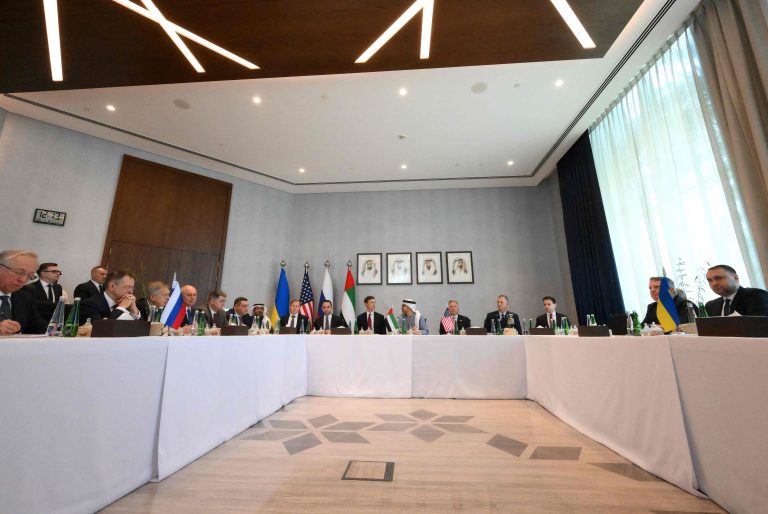
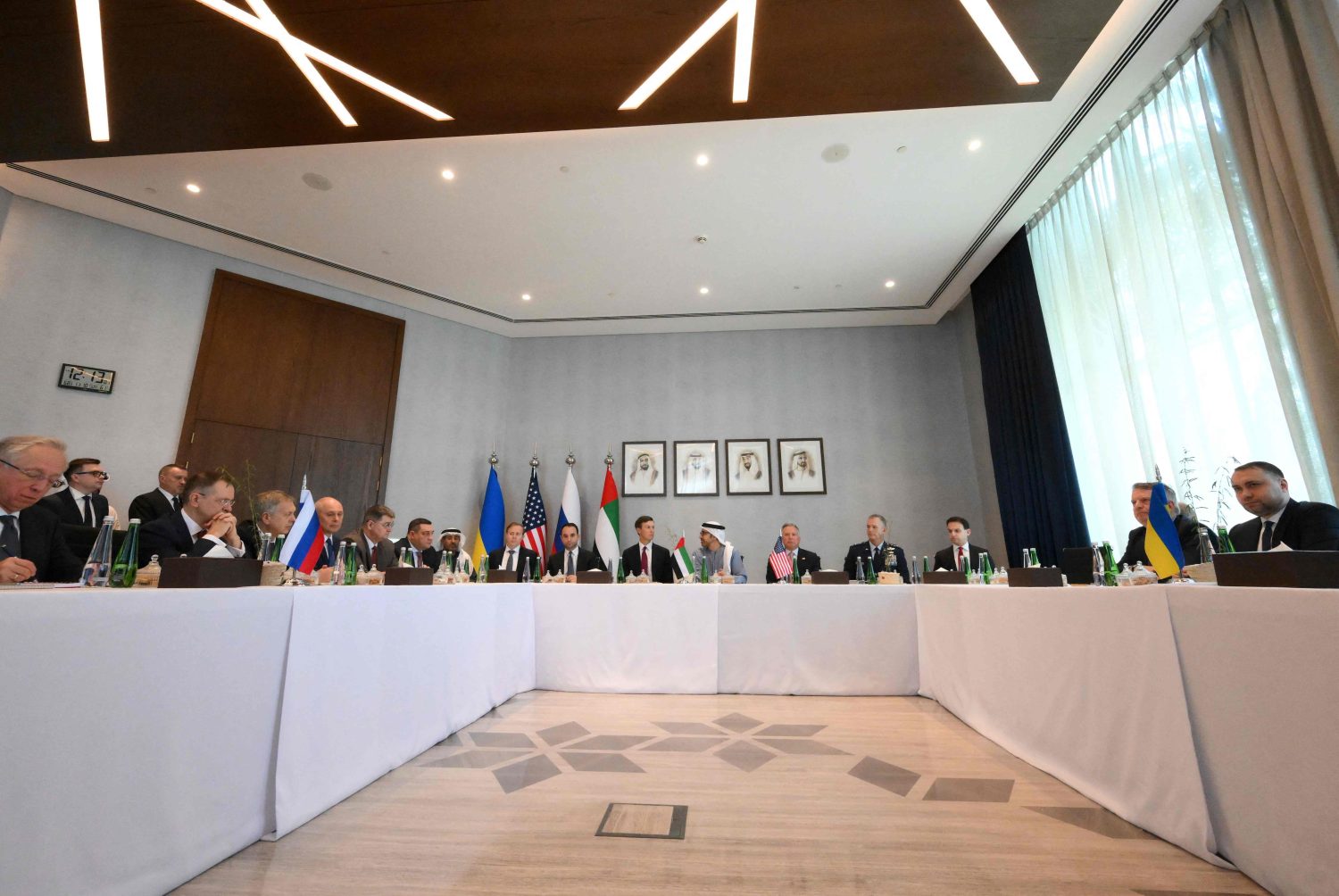
Britain, France, Germany and Italy took part in the latest meetings in Abu Dhabi, according to Ukrainian President Volodymyr Zelenskyy. He said Washington supports direct European participation in future negotiations and that three to five European representatives could be involved in subsequent rounds.
Kremlin spokesman Dmitry Peskov has also said Moscow is open to European participation and would accept representatives chosen by European governments.
For Galeotti, however, simply securing a seat at the table is not enough.
– If the Europeans do get to the negotiating table, what are they actually going to say? he asks in The Times.
Europe must decide what it wants
Galeotti argues that European governments can no longer rely only on declarations of support for Ukraine.
Ending the war, he writes, would require concrete proposals and inevitably involve difficult political and moral choices. Europe therefore needs to define both its objectives and the limits of what it would be willing to negotiate.
That debate has already proved difficult.
European countries initially struggled to agree on who should represent them in talks. The question has become more urgent as Moscow has pushed for negotiations on issues extending far beyond the Ukrainian battlefield, including NATO’s military posture and the future security order in Europe.
Ukrainian President Zelenskyy warned this weekend that such a broader framework could itself become dangerous if Russia used it as a vehicle to weaken NATO or seek changes to European borders.
He argued that questions concerning Europe’s security should ultimately be decided by Europeans, and only after a ceasefire and an end to Russia’s war against Ukraine.
– There can be no security guarantees in Europe, or for Europe, without Ukraine, Zelenskyy said.
Stubb and Støre reopened a channel to Putin
One sign of Europe’s changing approach came in late October, when Finnish President Alexander Stubb and Norwegian Prime Minister Jonas Gahr Støre held a 90-minute telephone conversation with Russian President Vladimir Putin.
The call was prepared in consultation with Ukraine and was intended to deliver messages directly to Putin ahead of the Abu Dhabi negotiations.
Stubb and Støre stressed that they were acting as the leaders of Finland and Norway rather than speaking on behalf of Europe as a whole. Both countries border Russia and have remained strong supporters of Ukraine.
Stubb later said the purpose was to help bring Russia back to serious negotiations.
– Ending the war requires direct discussions, he said after the call.
The initiative also exposed divisions within Europe. Denmark’s Prime Minister Mette Frederiksen criticised the lack of wider coordination, while Swedish Prime Minister Ulf Kristersson said he had not been informed beforehand.
Galeotti cites the episode as evidence of Europe’s dilemma: politicians who speak directly with Moscow can face criticism, while governments demanding a place in negotiations still disagree over how such talks should be conducted.
Pressure on Russia does not guarantee a deal
Galeotti argues that Putin is operating under growing pressure. He points to Russia’s heavy military losses, inflationary pressures, slowing investment and Ukrainian strikes deep inside Russia that have damaged sectors ranging from oil refining to exports.
At the same time, he does not believe these pressures mean Moscow is about to collapse or become willing to accept Western terms.
Russia could probably sustain the strain for at least another year, he estimates, while Ukraine is also facing a difficult period as Russian forces continue targeting energy and other critical infrastructure.
The latest Abu Dhabi talks underline how far apart the sides remain.
Zelenskyy said Ukraine has pushed for an energy ceasefire, the reopening of the Black Sea, prisoner exchanges and preparations for a leaders’ meeting. According to him, Russian negotiators were unwilling or unable to agree to an energy ceasefire, although progress was made toward another large prisoner exchange.
A wider deal could also carry an opportunity
Galeotti nevertheless argues that Russia’s attempt to broaden negotiations into a debate over the European security order need not automatically benefit Moscow.
What may have begun as a Russian tactical move could, he believes, create an opportunity to address some of the mechanisms that have broken down during years of confrontation.
Possible elements could include greater transparency over military activity and the restoration of channels for dialogue between NATO and Russia.
In the most ambitious scenario, a broader arrangement could contribute to ending the war itself.
But Galeotti stresses that this would depend on Moscow genuinely seeking a workable settlement rather than using negotiations to secure unilateral concessions.
Any agreement would also have to preserve Ukraine’s security and its right to determine its own future.
That qualification has become particularly important as Russia has sought to place NATO’s role in Europe on the negotiating agenda. Zelenskyy warned on Saturday that Putin could seek limits on the alliance’s military presence and raise questions concerning countries including Finland and Sweden.
For Galeotti, the immediate challenge is therefore not simply whether Europe is invited into the room.
The more difficult question is whether European governments can agree on a credible negotiating position before they sit down.