
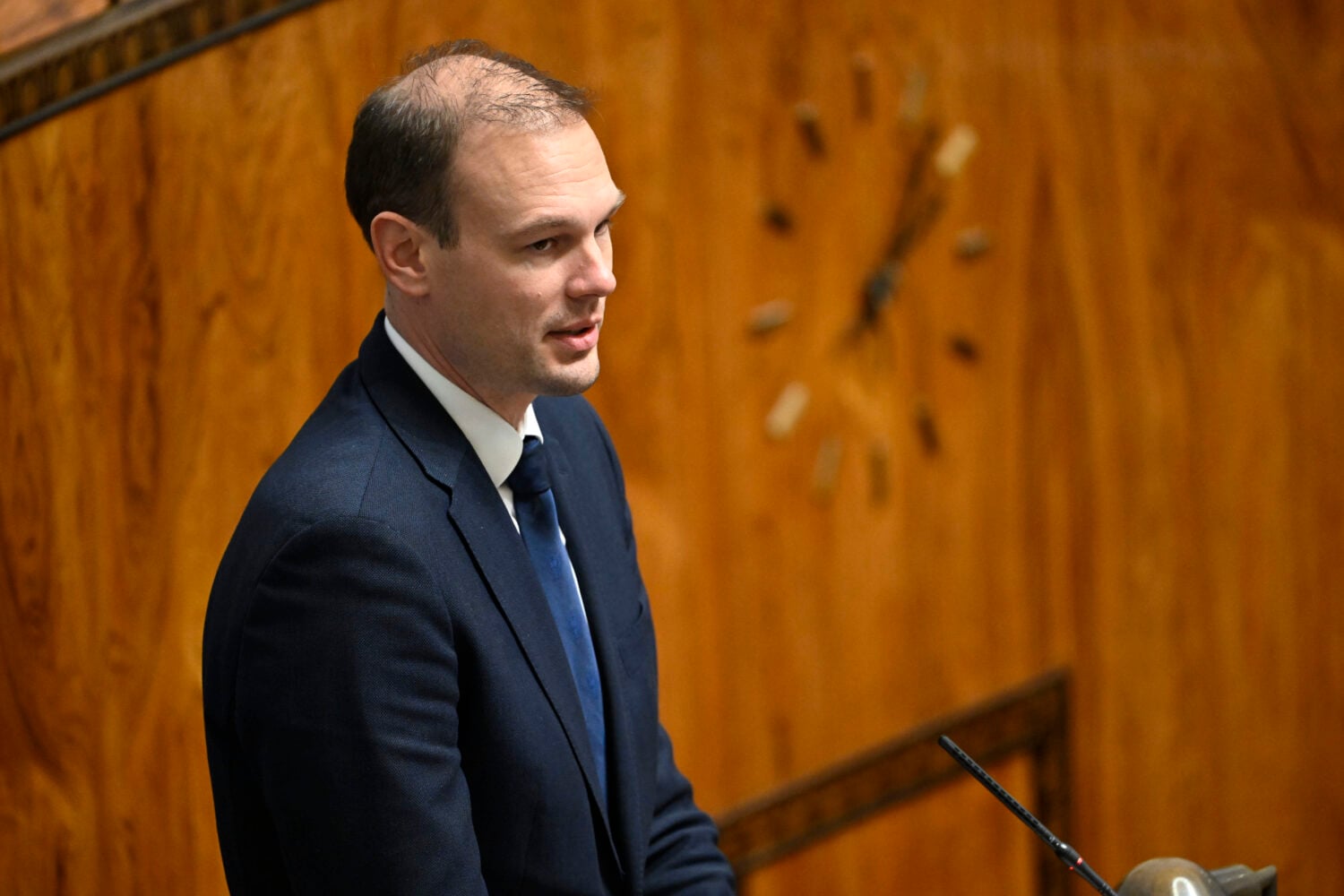
National Coalition Party MP Ville Kaunisto has criticised a proposal by Left Alliance leader Minja Koskela to bring back the tax deductibility of trade union membership fees at double the previous level.
Finland abolished the tax deduction for membership fees paid to labour market organisations at the beginning of 2026. Fees paid to unemployment funds remain deductible.
Koskela called on Saturday for the deduction to be restored “at double” its previous level. She argued that the measure would encourage people to join trade unions and thereby strengthen collective bargaining, social stability and democracy.
Koskela cited Portugal as an example of a country using a similar approach, although she did not spell out in her speech precisely how the doubled deduction would be structured.
Kaunisto, a deputy chair of the NCP parliamentary group, interpreted the proposal as allowing a union member to deduct twice the amount actually paid in membership fees.
“Why should other taxpayers have to pay for such an additional benefit?” Kaunisto said in a statement.
He argued that membership of a trade union should remain an individual choice and that unions themselves should convince workers of the benefits of joining.
“Under Koskela’s proposal, taxpayers would be made to finance trade unions’ membership recruitment,” Kaunisto said.
Tax deduction abolished this year
Prime Minister Petteri Orpo’s government decided in 2025 to abolish the deductibility of membership fees for both employee and employer labour market organisations from the 2026 tax year.
The measure was part of a wider package of tax changes intended to strengthen public finances. Government estimates originally put the increase in tax revenue from ending the deduction at around €144 million in 2026, although subsequent estimates of the overall effect have varied.
Kaunisto said restoring the benefit at an even higher level would be difficult to justify while Finland is trying to curb public debt.
He challenged the Left Alliance to explain how the proposal would be financed, asking whether it would require higher taxes elsewhere or spending cuts.
Koskela, for her part, has argued for a different approach to balancing Finland’s public finances. In her speech to the Left Alliance party council, she criticised plans for €8–11 billion in fiscal adjustments and called for a smaller adjustment spread over several parliamentary terms, combined with investment aimed at supporting growth.
Kaunisto said the NCP instead wants to improve workers’ disposable income regardless of whether they belong to a trade union.
“Finland’s economy will not be balanced by continually promising more benefits to particular interest groups at everyone else’s expense,” he said.