
The Finnish Defence Forces are warning personnel about the security risks associated with social media and mobile devices, with particular attention being paid to location tracking.
In its social media security guidance, the Defence Forces urges personnel to understand what information their devices and applications collect and where that information ends up.
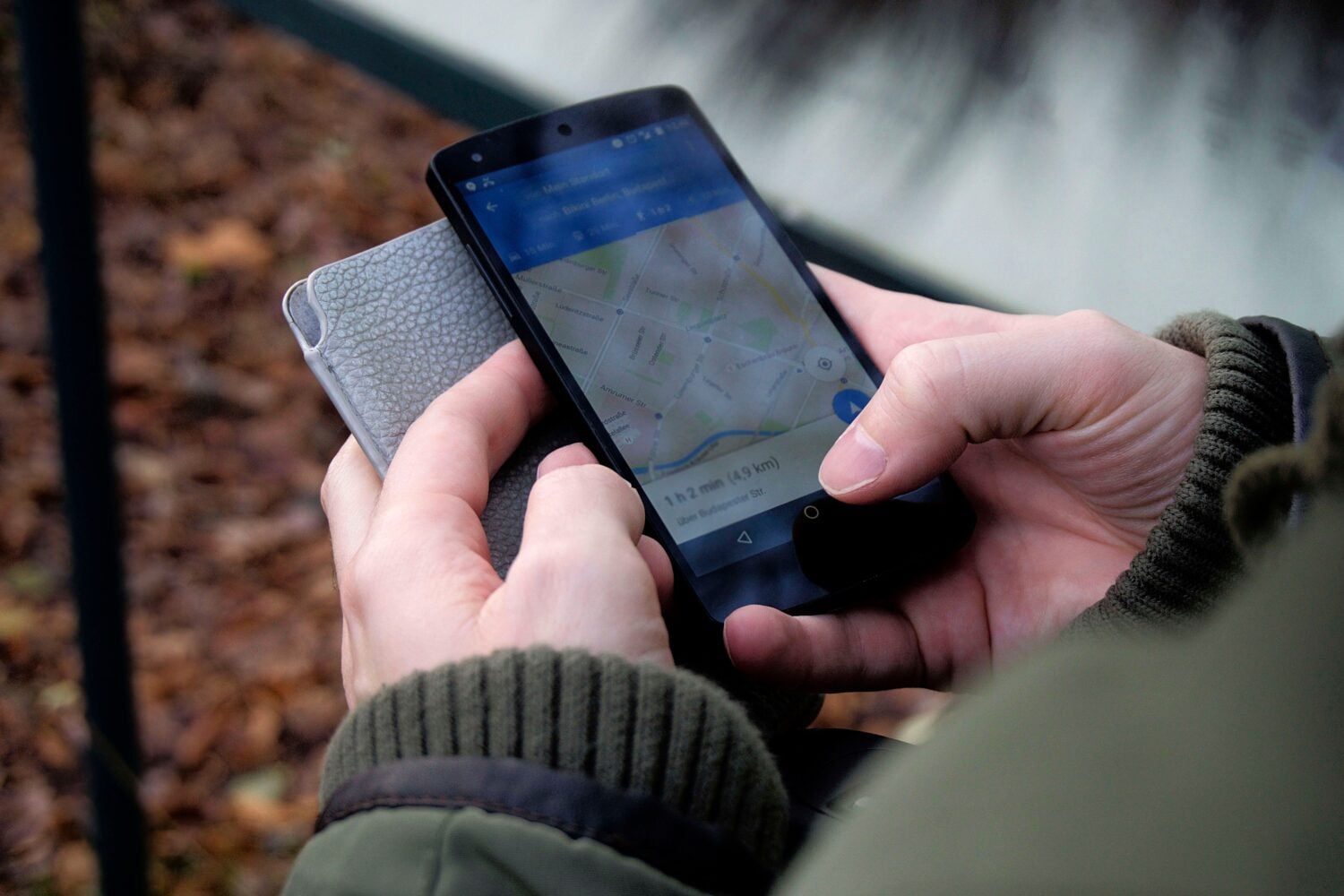
“Location tracking reveals,” the guidance states. Mobile devices can easily embed location information in social media posts, meaning users should know when their devices are recording their position and how that data is being used.
The advice is straightforward: keep GPS switched off when you do not need it.
Location data is particularly sensitive in a military environment. A smartphone, camera or other connected device may reveal where its user is even if the person never explicitly states their location online.
The Defence Forces prohibits sharing location information during operations without specific permission.
Smartphones and applications routinely collect location data for purposes including advertising and service personalisation. Even when datasets are supposedly anonymised, patterns of movement can potentially reveal details such as where a person lives or works.
Small details can reveal a larger picture
Operational security is not only about avoiding a single damaging post.
Information that appears harmless in isolation can be combined to build a much more detailed picture of a person’s location, movements, networks or military activity.
The Defence Forces warns its personnel that they may be of interest to foreign intelligence services even if they do not consider their own position particularly important.
Social media activity can reveal more than what a user actively publishes. Accounts followed, group memberships, friends lists and patterns of communication can all provide information about a person and their network.
Photos and videos can be particularly revealing. Background details may expose sensitive information, especially when large amounts of material posted over a long period can be analysed together.
Metadata can create an additional risk. Images, for example, may contain information about the device used, the location where they were taken or other personal details.
Timing matters as well.
The Defence Forces says personnel may be able to describe in general terms what they did the previous day, but should not disclose their current assignment or where they are going next. Even past activities should not be described in excessive detail if the information is not intended for the public.
Ordinary smartphone users face similar risks
The same basic precautions are useful outside the military.
Users should regularly review which applications have permission to access their location, camera, microphone, contacts and files. Continuous access to location information is unnecessary for many apps.
The Defence Forces also stresses that privacy settings alone do not guarantee that information will remain private. Anything placed online may eventually reach an audience other than the one for which it was intended.
Its wider security advice includes using strong and unique passwords, enabling two-factor authentication and avoiding unfamiliar links.
For operational security, however, one of the simplest precautions is also one of the most practical: make sure a device or app is not sharing your location when there is no reason for it to do so.