
Finland is considering Ukraine-style anti-tank barriers as part of efforts to strengthen the defence of its 1,340-kilometre border with Russia, according to Ukrainian defence outlet Militarnyi.
Lieutenant General Pasi Välimäki, Commander of the Finnish Army, has said the military is examining lessons from the war in Ukraine, where extensive fortifications and anti-tank obstacles have been used to slow attacking forces.
One question is how similar structures would function in Finland’s terrain and climate.
Militarnyi quotes Välimäki as asking how quickly deep anti-tank trenches and other fortifications could turn into “artificial bodies of water” because of Finland’s natural conditions.
No decision to construct such defences has yet been announced. The Army is assessing what types of obstacles could be suitable for Finnish conditions.
The discussion comes as Russia gradually rebuilds military capabilities depleted during its war against Ukraine. New T-90 tanks, BMP-3 infantry fighting vehicles and 2S19 self-propelled howitzers are being delivered to Russian military depots.
A 200-kilometre border fence is already complete
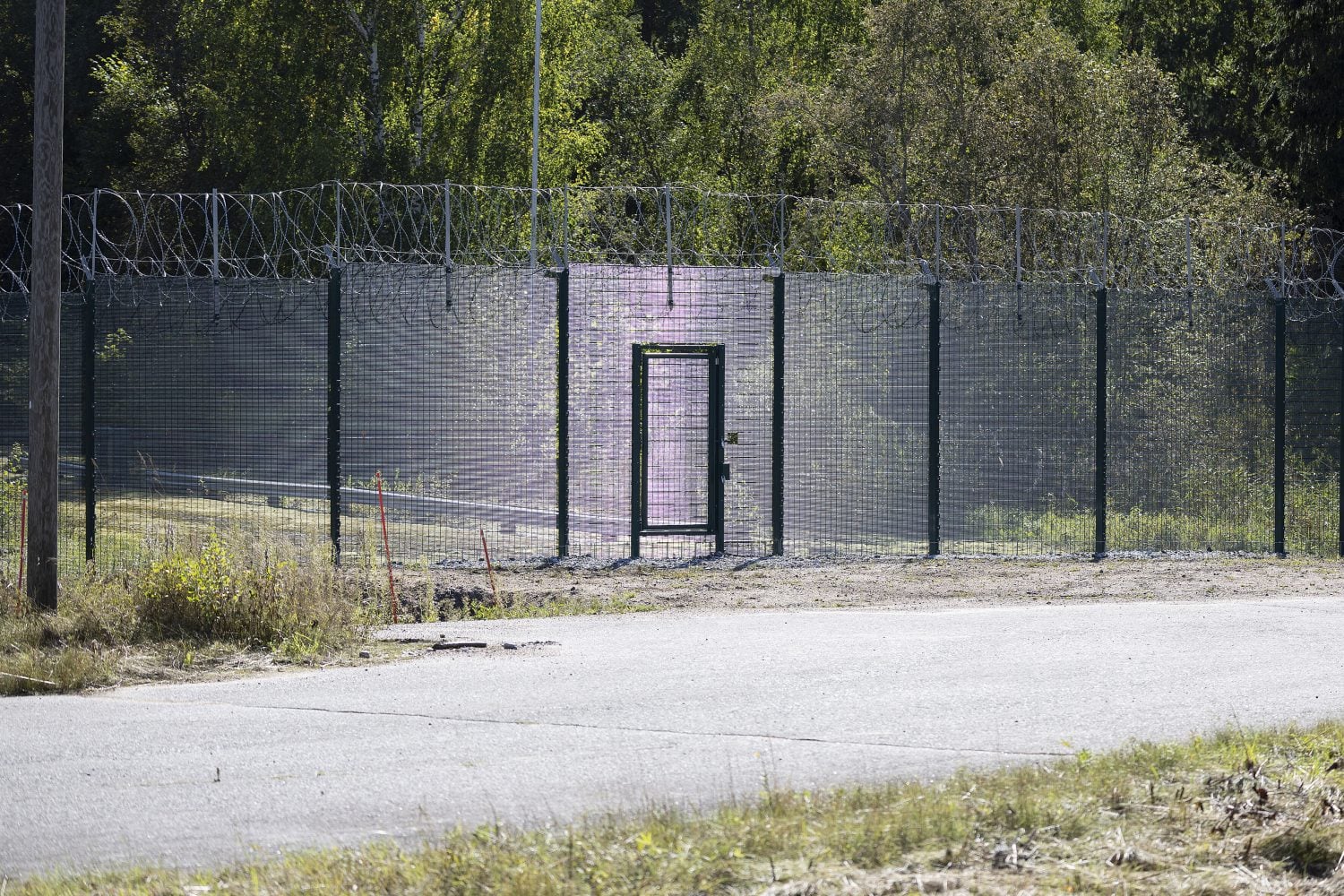
The possible anti-tank defences would be separate from the barrier fence Finland has already built along parts of its eastern border.
Finland completed approximately 200 kilometres of border fence in September 2026, with the largest sections located in southeastern Finland.
The fence is primarily a border-security measure rather than a military obstacle intended to stop armoured forces.
The possible anti-tank barriers would therefore represent a different layer of defence, aimed at preparing for a conventional military threat.
Finland’s border with Russia is approximately 1,340 kilometres long, making it the longest Russian border of any NATO member.
Ukraine is reshaping Finnish defence planning
The war in Ukraine has influenced military planning well beyond fortifications. Finland retrained around 60,000 reservists during the first two years after Russia launched its full-scale invasion of Ukraine.
Around 45,000 reservists now take part in refresher training annually.
Finland maintains conscription and a large trained reserve, allowing the country to field a wartime force of approximately 280,000 troops.
The Army is also undergoing a major modernisation programme extending into the 2030s.
Militarnyi reports that particular attention is being paid to defence-industrial capacity. Välimäki has stressed the need for Finland to maintain production that could be expanded dramatically in a crisis, with weapons and ammunition output potentially increasing as much as tenfold from peacetime levels.
The broader lesson from Ukraine is that a country preparing for a high-intensity war needs not only troops and weapons, but also fortifications, logistics, ammunition stocks and an industrial base capable of sustaining prolonged operations.
NATO has strengthened its presence in Finland
Finland’s preparations are also increasingly integrated into NATO’s defence plans.
In June 2026, NATO established Forward Land Forces Finland, the Alliance’s ninth multinational battlegroup on its eastern flank. Sweden serves as the framework nation, with Denmark, France, Iceland, Italy, Norway and the United Kingdom among the contributing Allies.
NATO says the force is intended to strengthen deterrence and defence on the Alliance’s northeastern flank. The multinational presence operates alongside Finland’s national defence forces and can be reinforced rapidly if required.
The possible anti-tank barriers would fit into this broader effort to make any attack more difficult from the outset.
For Finland, the Ukrainian battlefield has demonstrated that terrain, prepared defensive positions and physical obstacles can still play an important role even in a war dominated by drones, precision weapons and long-range fires.