
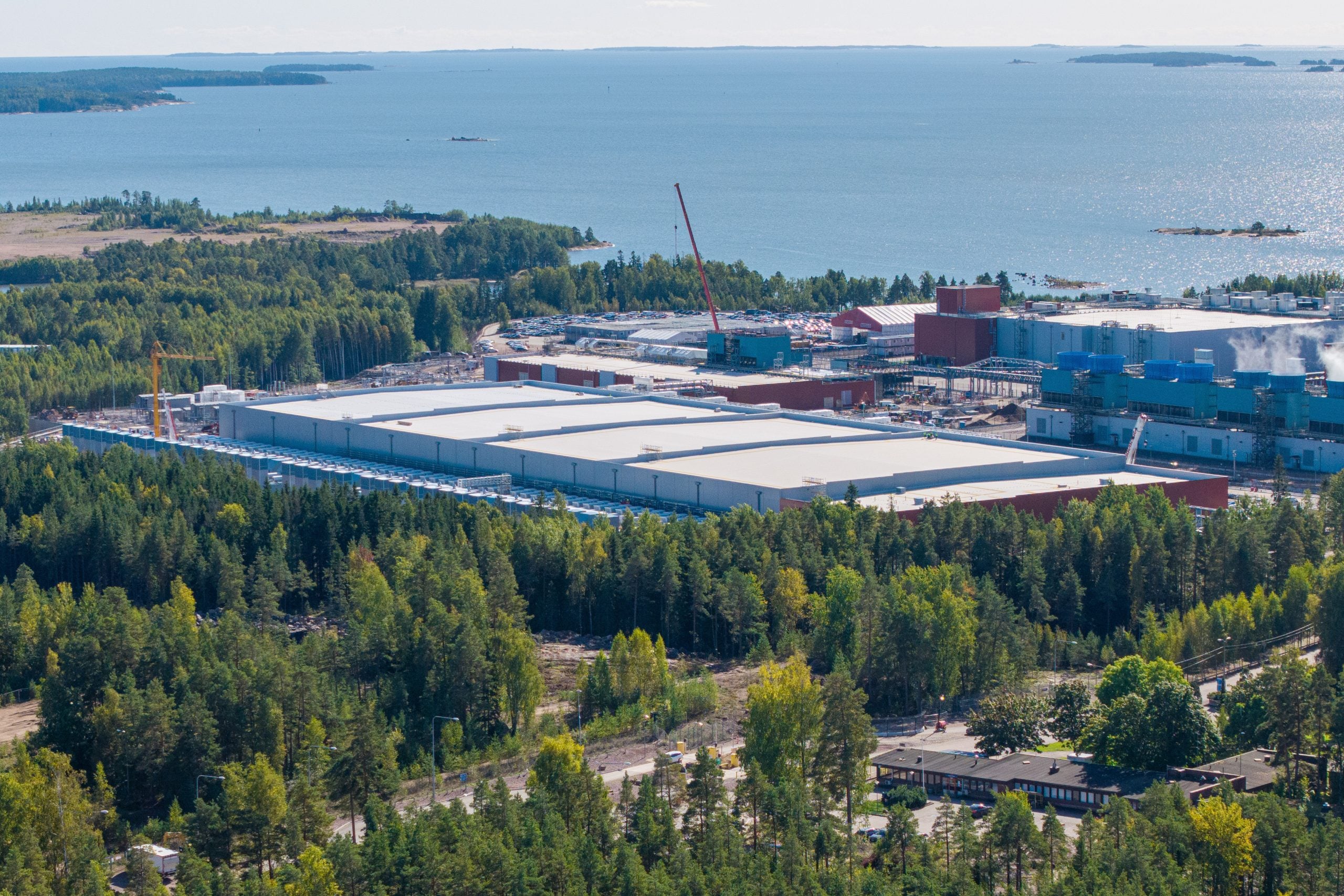

The global economy is undergoing a major transformation. In addition to the return of power politics and geoeconomy, the economy is rapidly becoming more digital, while an energy system based on fossil fuels is being replaced by clean energy. AI is boosting the change. Though not easy, the transformation is a possibility for Finland, as we are exceptionally well positioned to benefit from it.
Finland has clean electricity, a stable society, reliable digital infrastructure and a high level of technological expertise. The society is already highly digital. Data sources are abundant. Our cold climate, effective telecommunications networks and secure operating environment strengthen our position as a location for data centres and other digital infrastructure. By building on these strengths, Finland has an opportunity to become a powerhouse in the data economy and clean transition, punching above our weight.
Investment is already under way. According to industry statistics, nearly 1 500 green transition investment projects are being planned in Finland, with a combined value of more than EUR 336 billion. Not all of these projects will be realised, but their scale demonstrates Finland’s exceptional potential.
During 2026, investment decisions worth EUR 19 billion have been made in Finland. In addition, nearly 200 new projects worth more than EUR 15 billion have been announced. As many as 60 of them are data centre projects. The pace will accelerate further in 2027, when projects worth nearly EUR 14 billion that have already received final investment decisions are scheduled for completion. The year 2027 might well set a record in investments in Finland – something the sluggish economy has been waiting for.
However, Finland’s ambition must extend beyond simply attracting data centre investments. A data centre must not remain an electricity-consuming facility detached from the rest of the economy. The large amount of data centers should generate research, product development, artificial intelligence solutions, new companies and highly skilled jobs around them. As much of the value created as possible must remain in Finland. Luckily we are seeing early signs of this and for example Finnish construction companies are participating in projects abroad with the know-how they have accumulated in Finnish projects.
Data economy and clean transition
Data is a key factor of production in the modern economy. It can be used to improve industrial productivity, develop artificial intelligence and create new services. Finland has strong expertise in telecommunications, software, cybersecurity, high-performance computing and industrial digitalisation. These strengths must be brought together to create a stronger Finnish data economy ecosystem.
Data economy and clean transition reinforce one another. The electric infrastructure built for data centers serves other industries as well. Data centres increase demand for electricity and create conditions for investment in clean electricity generation. Energy storage, demand-side flexibility and stronger electricity grids, in turn, help balance the system as renewable energy production fluctuates. Heat generated by data centres can be recovered for district heating and used to replace combustion-based heat production.
However, growing electricity consumption requires responsible preparation. Electricity must remain available at a reasonable price to households, existing industries and new investments alike. New demand must be accompanied by new electricity generation, stronger grids, energy storage and flexibility. The energy system must function even when the wind is not blowing and the sun is not shining locally. Data centres must contribute to balancing the energy system and utilise the excess heat they generate whenever this is technically and economically feasible.
The risks of an uncontrolled transition are real: soaring prices and local public outrage. Environmental aspects must be taken seriously. Investment-promoting policies must be paired with enough focus on keeping household costs under control.
International competition for investment is intense. The government’s role is to create the conditions in which companies have the confidence to invest, grow and innovate in Finland. Our advantage will not endure by itself, as competing countries are developing their own energy systems and offering companies substantial incentives. Finland must therefore maintain predictable taxation, speed up investment permits and access to competitively priced energy. At the same time, we must invest in electricity grids, research and skilled workforce.
In the coming decades, the world will need significantly more clean energy, computing capacity and data economy solutions. If we safeguard our competitiveness and combine clean energy with technological expertise, we can generate investment, exports, jobs and prosperity in Finland for years to come. Becoming a powerhouse is not an end itself, but a way to develop a sustainable and prosperous society, abundant with possibilities for all.
