
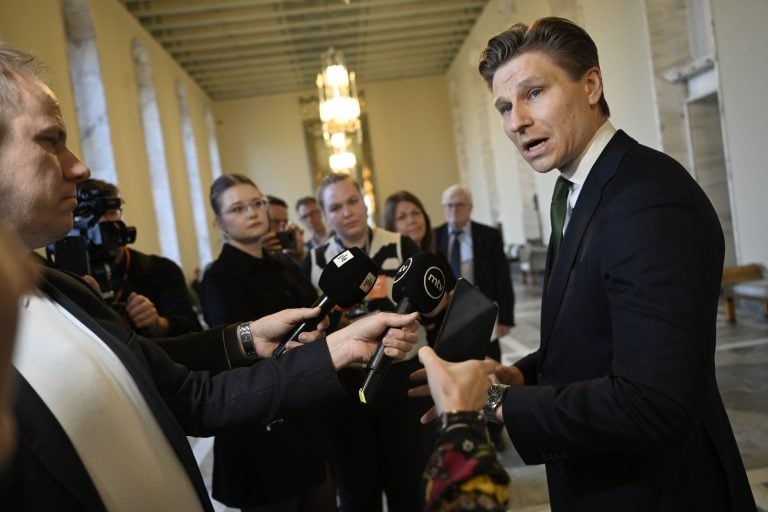
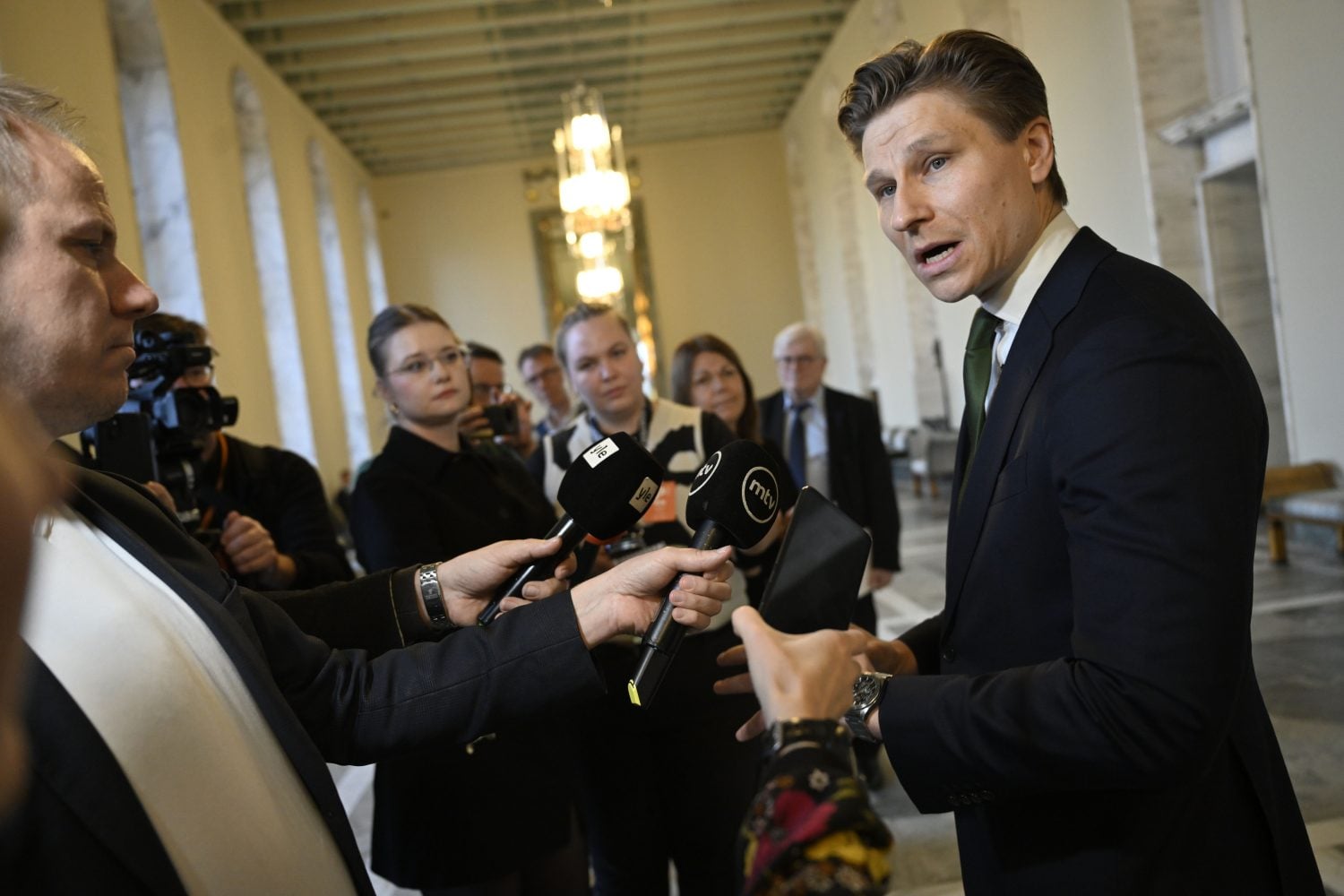
Finnish Defence Minister Antti Häkkänen is calling for prison sentences of up to 15 years for people who carry out sabotage linked to hostile state influence, amid growing concern over Russia’s use of recruited proxies across Europe.
Speaking to Finnish broadcaster MTV, Häkkänen said Russia has increasingly relied on criminal groups and petty criminals to carry out attacks such as arson in exchange for relatively small payments.
– Because this is hostile activity directed by a state, the penalties should be extremely severe, Häkkänen said.
He argued that a criminal offered a few thousand euros to attack an energy facility or defence company may consider the reward worth the risk under current conditions.
– These offences should carry 15 years in prison, perhaps even more. That could create a real deterrent, Häkkänen said.
The comments come after Estonian authorities said they had foiled an attempted attack against defence technology company Threod Systems in Viimsi, north of Tallinn, during the night of November 14.
According to Estonia’s Prosecutor’s Office, the attackers attempted to break into the company’s premises, cause an explosion and set the building on fire. Eight suspects were detained, and prosecutors sought the arrest of five of them.
Estonia’s Internal Security Service, KAPO, has attributed the operation to Russia’s military intelligence service, the GRU. Threod Systems develops long-range reconnaissance and attack drones. No one was injured and the company’s production capability was not significantly affected.
Moscow recruits people for relatively small sums
The case fits a pattern European security authorities have warned about increasingly openly.
KAPO chief Margo Palloson told Estonian public broadcaster ERR that Russian intelligence services recruit from criminal networks, social media and among socioeconomically vulnerable individuals.
According to Palloson, some sabotage operations and physical attacks have been commissioned for only a few hundred euros. Estonian counterintelligence has identified more than 50 people connected to such activity over the years, he said.
That recruitment model is central to Häkkänen’s argument.
Rather than sending trained Russian intelligence officers to carry out every operation, Moscow can use local intermediaries who may have little ideological commitment and are motivated mainly by money.
Häkkänen argues that significantly tougher penalties would change the calculation for people considering such assignments.
Estonia points to broader campaign
The attempted attack on Threod Systems was not an isolated case. Estonian authorities have also attributed an earlier arson attack against defence company Milrem Robotics to Russian intelligence. KAPO has warned that around ten Estonian defence companies are currently considered potential Russian targets.
Following the Threod case, Estonian Prime Minister Kristen Michal ordered preparations for the possible closure of the country’s eastern border with Russia, saying sabotage formed part of a wider campaign aimed at weakening European support for Ukraine.
European governments have increasingly described such incidents as part of Russia’s hybrid operations against countries supporting Ukraine.
The cases range from arson and vandalism to attacks or attempted attacks on logistics, infrastructure and defence-sector targets.
For Häkkänen, the legal response should reflect that broader security dimension.
His proposal would treat sabotage carried out on behalf of a foreign state not simply as ordinary property crime, but as hostile activity with potentially serious consequences for national security.