
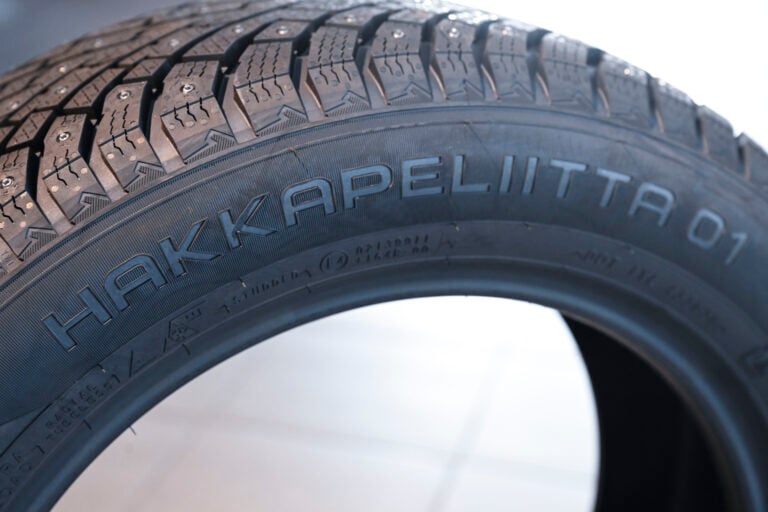
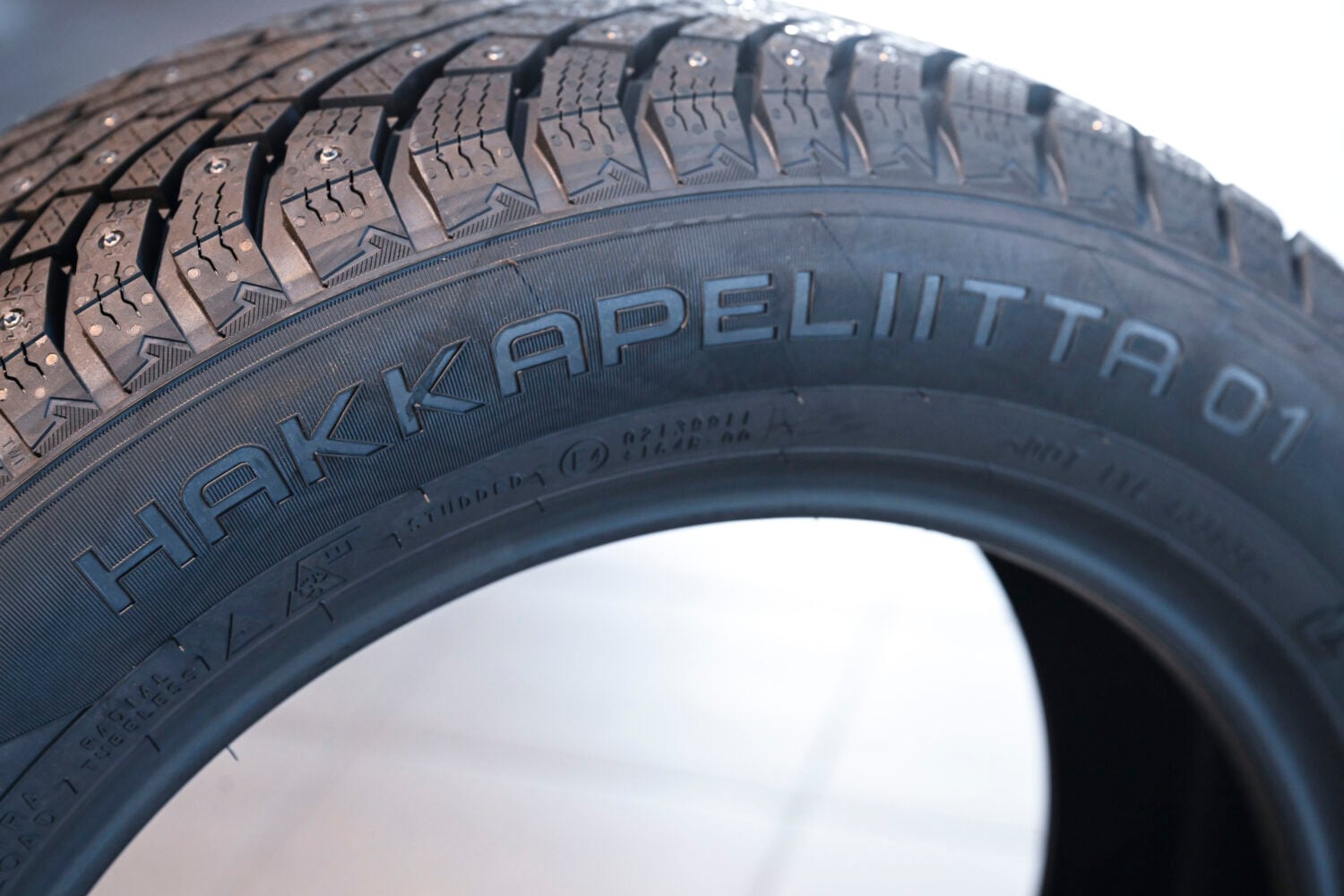
Mutual insurer Turva is urging motorists to check the condition of their winter tyres before the first icy roads and the rush to change tyres begins.
Winter tyres must be used from the beginning of November until the end of March if weather or road conditions require them. Studded tyres may also be used outside this period when conditions make them necessary.
Turva service manager Sanna Luotio says the first slippery conditions of autumn and winter cause accidents every year in which tyre choice and condition play a significant role.
“Drivers should keep an eye on the arrival of slippery conditions and anticipate the need for winter tyres in good time. The first icy conditions of autumn and winter cause accidents every year in which tyre choice and tyre condition are highly significant,” Luotio says in a Turva press release.
Legal tread depth alone does not guarantee good grip
The statutory minimum tread depth for the main grooves of winter tyres is three millimetres.
Turva points out, however, that grip can deteriorate before the tread reaches this limit. It recommends considering replacing winter tyres once tread depth falls to five millimetres.
The age of a tyre also affects grip. According to Turva, many manufacturers recommend a maximum of six years in use and a total age of no more than ten years.
Drivers using studded tyres should also check the number and condition of the studs. All tyres should be inspected for cracks, bulges, cuts and uneven wear.
Tyre checks can be particularly important on electric cars, as their greater weight may cause tyres to wear faster than on combustion-engine vehicles. Turva also warns that longer maintenance and inspection intervals may allow tyre wear to go unnoticed.
Tyre pressures should be checked when changing tyres. Anyone changing tyres themselves should retighten the wheel bolts after driving around 100–150 kilometres.
If there is any uncertainty about the condition of the tyres, Turva recommends having them inspected by a tyre professional.