
Finnish Social Democratic Party MP Johan Kvarnström says he has not yet decided how he will vote on extending Finland’s Border Security Act, legislation designed as a last-resort response to what Helsinki calls the instrumentalisation of migration by Russia.
– I haven’t decided yet, Kvarnström told Verkkouutiset in Parliament on Wednesday.
The Government wants to extend the temporary law until December 31, 2028. Parliament’s Administration Committee is now in the final stages of preparing its report on the proposal.
Kvarnström says he will make his decision after the committee report has been completed and the Social Democratic parliamentary group has taken a position.
– Of course we have discussed it. There have been briefing sessions and it has come up in group meetings. But as far as I am concerned, the discussion is still ongoing. I have raised my position, and there are arguments on both sides, he said.
Asked whether he genuinely remained undecided, Kvarnström replied:
– Yes.
Why Finland closed its border with Russia
The vote comes against the backdrop of an unprecedented situation on Finland’s 1,340-kilometre border with Russia, the longest border any EU or Nato country shares with Russia.
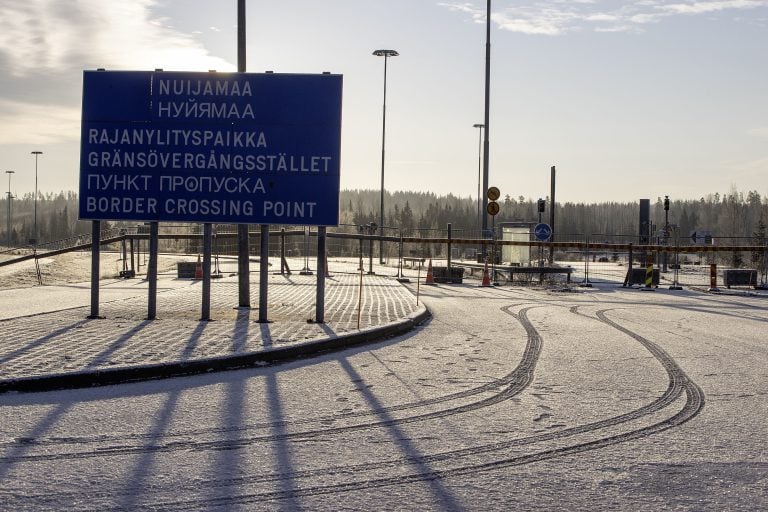
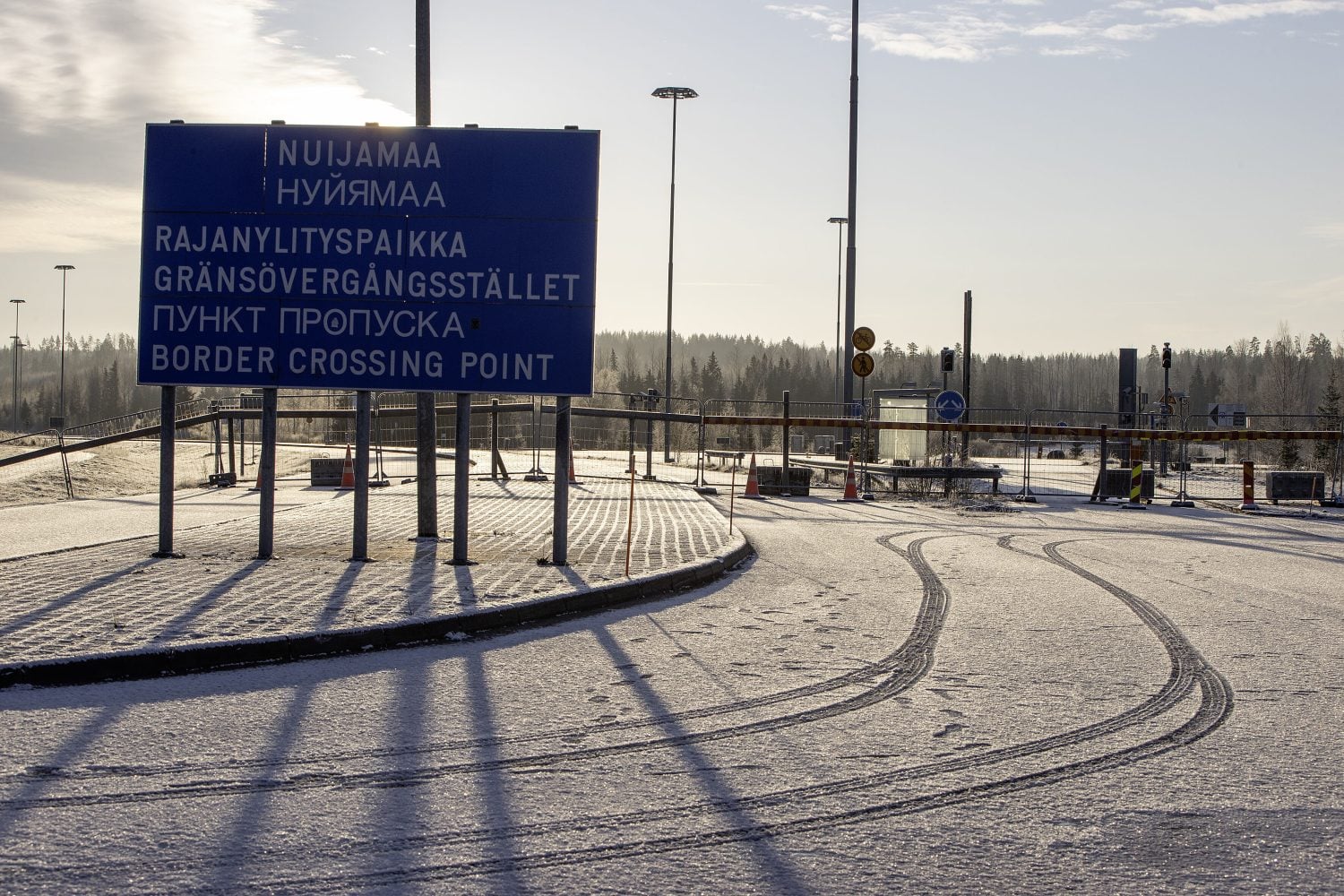
Finland’s land border crossings with Russia have been closed since December 15, 2023. The Government renewed the closure in June 2026 and said it would remain in force until further notice.
The measures followed the arrival of more than 1,300 third-country nationals from Russia without Finnish visas beginning in August 2023. Finnish authorities concluded that foreign authorities or other actors were facilitating the movement of people towards the border.
The Finnish Government has described the phenomenon as instrumentalised migration and says Russia can use it as a means of exerting pressure on Finland and the European Union. Authorities currently assess that the risk of the phenomenon resuming would remain high if the crossing points were reopened.
The Border Security Act is separate from the decision to keep the border crossings closed.
The closure is based on Finland’s Border Guard Act and Government decisions. The temporary Border Security Act, by contrast, gives the Government the possibility, under highly exceptional circumstances, to restrict the reception of applications for international protection in a limited area along the national border if other measures are insufficient to safeguard Finland’s sovereignty or national security.
Activating the law would require a separate Government decision.
The law was first adopted in July 2024 and is currently due to expire at the end of 2026. The Government is seeking to extend it for another two years without changing its substance.
Finland’s Constitutional Law Committee concluded in October that the extension could proceed as a limited exception to the Constitution. Under the urgent procedure, approval requires a five-sixths majority in Parliament.
Finland has also built a 200-kilometre border barrier
Finland has meanwhile strengthened the physical security of its eastern frontier.
Construction of approximately 200 kilometres of barrier fencing was completed in September 2026. The fence covers strategically important sections rather than the entire 1,340-kilometre frontier, with the largest concentration in south-eastern Finland.
The project was launched after Finland’s security environment deteriorated following Russia’s full-scale invasion of Ukraine and amid concerns over instrumentalised migration.
The barrier combines fencing with roads and technical surveillance systems intended to help the Border Guard detect and prevent unauthorised crossings. The entire project has cost roughly €360 million.
Previous SDP opponents reconsider their positions
Kvarnström was among six Social Democratic MPs who voted against the border legislation the last time it came before Parliament, after being allowed to depart from their parliamentary group’s supportive position.
Another SDP MP who previously opposed the law, former minister Timo Harakka, has already said he intends to vote in favour this time.
SDP deputy chair Nasima Razmyar, who also voted against the legislation previously, declined to tell Verkkouutiset on Tuesday how she intends to vote.
Kvarnström says his own decision will come only after the parliamentary process has advanced further.
The vote therefore comes as Finland maintains a closed land frontier with Russia, operates a newly completed border barrier and continues to prepare for the possibility that migration could again be used as a means of political pressure.