
Finland’s National Coalition Party parliamentary group wants asylum applications to be processed in reception centres outside the European Union as part of a broader shift towards what it calls more selective immigration.
The group published its new immigration policy programme, Towards Selective Immigration, on Friday. The proposals include tighter conditions for family reunification and social security, stronger integration requirements and faster residence permit procedures for workers and international specialists.
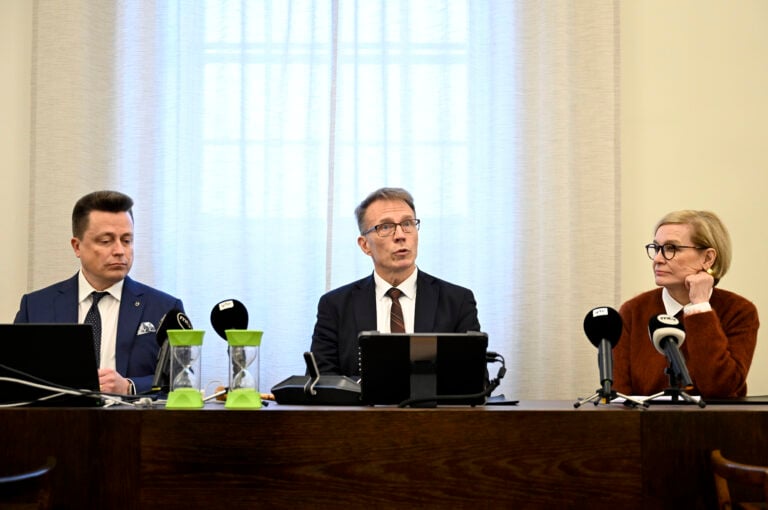
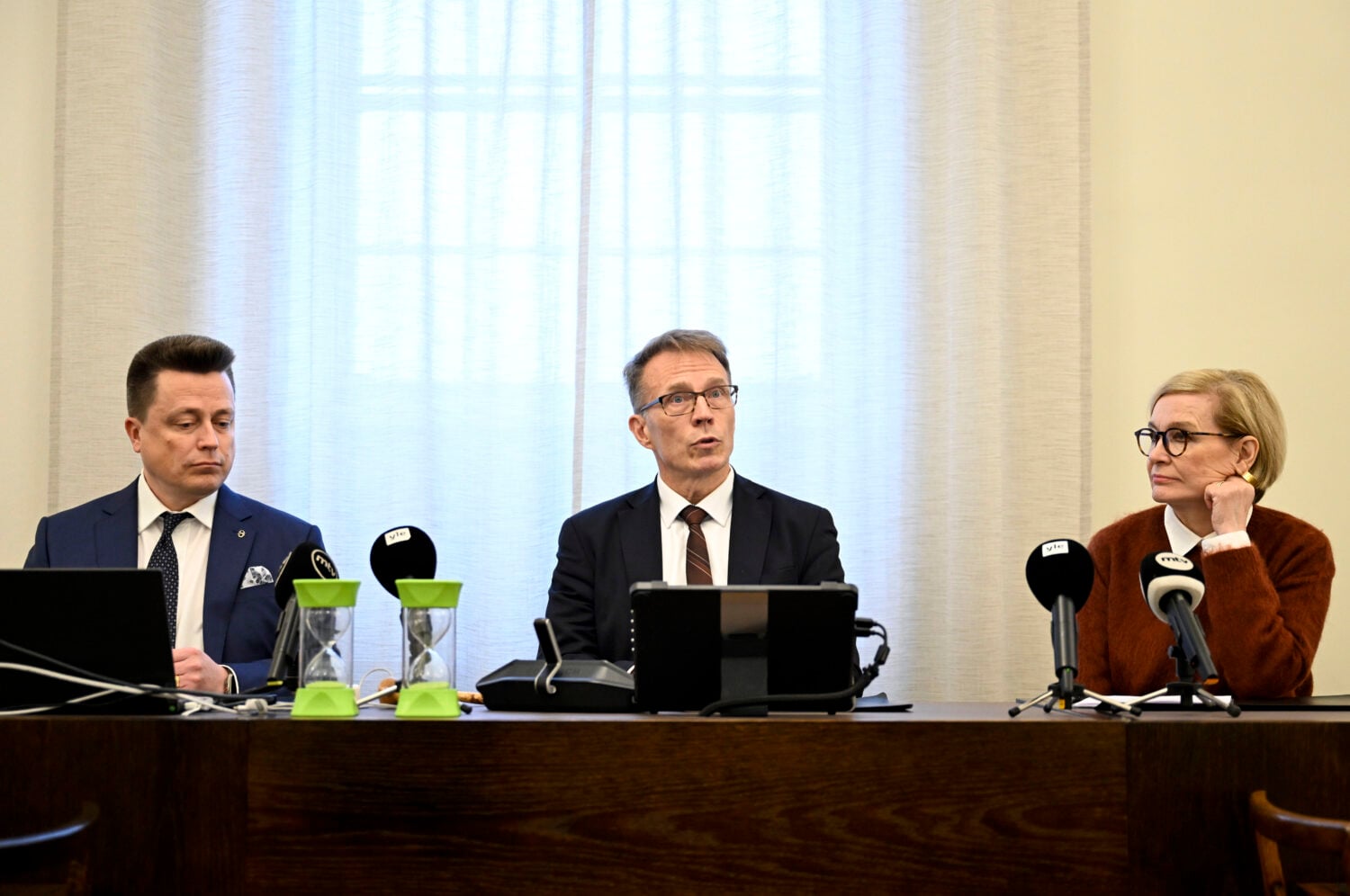
MP Atte Kaleva, who chaired the working group that prepared the programme, said all of its proposals had been designed to comply with Finland’s constitution and international obligations.
“All the measures we propose must be feasible. They cannot require Finland to withdraw from international agreements or violate our Constitution,” Kaleva said at a press conference in Parliament.
One of the programme’s most significant proposals is to move the processing of asylum applications to centres established in safe countries outside the EU.
Kaleva said recent changes to EU migration and asylum rules had created new possibilities for arrangements involving third countries.
Under the NCP proposal, a person who arrived in Finland to seek asylum could be transferred to such a centre while the application was processed.
Kaleva argued that the model would reduce incentives for dangerous journeys to Europe and the use of people smugglers.
No such centre currently exists for Finland. According to Kaleva, Finland is examining possible arrangements together with other Nordic countries.
He did not give a precise timetable but said he believed progress could be made relatively quickly.
When asked whether establishing such a system would take years, Kaleva replied: “Probably not years.”
Work and integration at centre of policy
The parliamentary group’s programme also seeks to make Finland more attractive to employees, entrepreneurs and international specialists.
It proposes faster and more predictable permit procedures for work-based immigration while placing greater responsibility on both migrants and employers.
For working-age migrants capable of employment, the programme says responsibility for supporting themselves and their families should primarily come through work.
Eligibility for unemployment benefits would be linked more closely to employment in Finland, with the level of support depending on how long a person had worked in the country.
Requirements for national and guarantee pensions would also be tightened through residence criteria, while publicly funded interpretation services would generally be limited to two years after arrival.
The programme defines successful integration through factors including Finnish or Swedish language skills, education, employment and financial self-sufficiency.
Permanent residence and citizenship would increasingly be tied to employment, education, language skills and demonstrated integration.
Family reunification rules would also be tightened. As a general rule, the person bringing family members to Finland would be expected to support them through employment or entrepreneurship rather than social security.
The programme would not abolish Finland’s refugee quota. However, the NCP parliamentary group wants the selection criteria for quota refugees to include their prospects for adapting to Finnish society and culture.
People receiving negative asylum decisions, or otherwise ordered to leave Finland, would primarily be returned to their country of origin. Where that was not possible, the group supports the use of return centres outside the EU.
Finns Party MP questions unity behind policy
Finns Party MP Ari Koponen welcomed several of the proposals but questioned how firmly they were supported across the National Coalition Party.
Koponen noted in a statement that NCP MP Pihla Keto-Huovinen had submitted a dissenting opinion on the programme, objecting to aspects of its content and language.
Koponen asked whether voters could know which approach to immigration the party would ultimately follow.
He also criticised the NCP’s continued support for increasing work-based immigration, arguing that Finland should take a more restrictive approach to immigration involving lower-skilled workers.
The National Coalition parliamentary group says its objective is to distinguish more clearly between immigration that it considers beneficial to Finland and immigration that places greater demands on public services, while maintaining Finland’s attractiveness to workers and international talent.