

At heart, I am still a software engineer. With time, I have come to understand just how formative my formative education has been. Engineers have a peculiar gift: they see the world as it is – wrinkles and all – yet retain the ability to ask: must it always remain so?
In 2005, I submitted my master’s thesis on neural networks, exploring their error-correcting properties. Fascinating as the subject was, the limits of available computing power made further progress slow at best, and I turned my attention elsewhere.
Two decades later, Finland is emerging as a key player in European AI infrastructure. Google has strengthened its bet on Finland with a €13 billion investment. Nokia is once again connecting people – now through 5G, 6G and optical networks. And Helsinki has the second-largest concentration of quantum savoir-faire in Europe, after Cambridge in the United Kingdom.
And me? I am Finland’s Foreign Minister. Let me therefore explain why I believe we are at the beginning of an AI supercycle – and how Finland can ensure that it works to our advantage.
The software engineer in me sees the emergence of a set of tools and an industry of remarkable promise. AI will accelerate scientific discovery, improve healthcare and education, and strengthen cyber defence. It will help businesses do more in less time and make better use of the talent they have.
For a country of 5.5 million people, all this matters a great deal. We in Finland have never had labour or capital to waste. A technology that allows us to supercharge what we have and make Finnish savoir-faire travel further is unsually well suited to our needs.
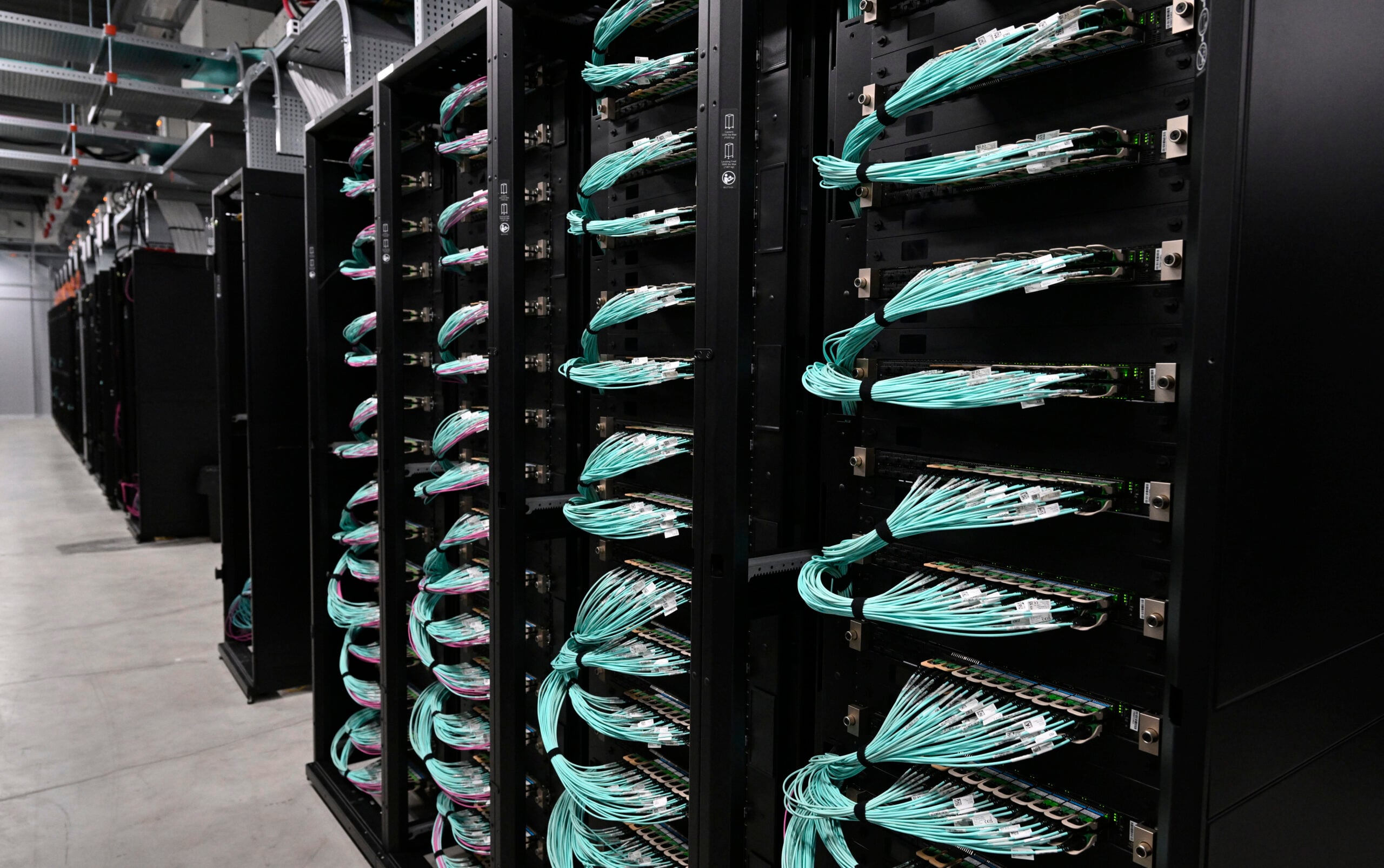
The Foreign Minister in me asks a different question: how can this transformation works to our advantage? The answer begins with a physical fact. For all its apparent ubiquity, AI rests on infrastructure. It relies on electricity. It needs cooling, connections, chips and computing capacity. Those who know how to build and optimise these foundations shape the choices available to everyone else—including us.
In this space, Finland brings considerable advantages to the table: affordable electricity, an industry-wide commitment to climate neutrality, a highly reliable grid, advanced digital infrastructure, internationally recognised research and trusted institutions.
We are strong in supercomputing, telecommunications, cybersecurity and quantum technology. Google’s investment decision suggests that others too have taken note.
Finland’s value is easy to recognise.
But advantages do not automatically turn into influence or prosperity. We must put them to work: connect them deliberately, build companies around our strengths and work with trusted partners.
We will never be able to reproduce the brute scale of the largest players. But strength is not depend on scale alone. It can also be designed.
At Chatham House a few weeks ago, I made the case for a confident Europe in the age of AI. My argument was simple: Europe does not need to win every part of the frontier race, but it cannot afford to become dependent on those who do. We need capacity to act, competition to turn ideas into solutions, and control to keep technology in the service of the people—and of our common European way of life.
We should therefore approach AI neither as spectators nor as supplicants. We should build it, use it and take part in setting the standards and practices around it. We should integrate it throughout our societies as deliberately as we once did with electricity. We should share what we learn with trusted partners around the world—and learn from them in turn.
AI will change the world whether or not we take part. The choice is between adapting to a future shaped elsewhere and acting deliberately to help shape it ourselves.
We know our strengths. We understand our constraints.
And, as any engineer will tell you, that is good place for our work to begin.